Musty odor starts whenever the furnace or air conditioner runs
Record when the odor appears and which rooms are affected. Inspect relevant connected components and nearby materials rather than assuming the smell proves duct mold.
Growth inside a duct, a wet liner or musty air after a leak? We inspect accessible ductwork and explain what needs cleaning, removal or replacement.
Tell us which vents or duct runs concern you and what happened before the problem began. Call to arrange an assessment.
Call Now +18017531306 → No spam. No obligation. Just practical help.
A dark ring around a grille can be dust, surface staining or growth on nearby building material. It does not establish what is inside the ducts. We assess accessible supply and return paths, material condition and relevant equipment before recommending work. Ordinary dust cleaning and remediation of identified mold are different scopes.
Ducts above a ceiling, behind finished walls or across an attic need an access plan. For a property near Main Street or toward Hobble Creek, tell us about roof work, plumbing leaks or previous duct service. Our service area is Springville ZIP 84663, including Hobble Creek addresses within that ZIP.
A duct quote needs to identify the affected system, components, materials and access limits. Cleaning suitable surfaces, removing damaged sections, replacement work, source repairs and verification need clear responsibilities. A register-only visit is not the same as addressing contamination within the connected system.
We review accessible supply and return sections, connections and relevant HVAC components. Where access prevents inspection, we explain the limitation and the options for further evaluation.
We plan system isolation, occupied-room protection and collection before disturbance. Duct cleaning requires controlled collection of loosened debris; a room air scrubber alone does not clean duct interiors.
Methods must fit the duct material and condition. Mechanical cleaning removes contamination from suitable surfaces, with debris collected under controlled conditions. A chemical application alone is not a cleaning process.
Wet or moldy fiberglass liner and unsuitable damaged sections require replacement. We identify what needs removal and who will install and seal replacement components; replacement is included only when agreed.
We review observed leak or condensation evidence and explain separate HVAC or building repairs. A clean surface does not resolve continuing water entry. Confirm repair completion and any checks before restart.
Discuss the affected rooms, prior leaks and service history. We assess accessible duct materials and relevant connected components before defining the cleaning extent. Limited camera views do not establish the condition of every concealed run.
Agree on equipment access, system isolation, protection and collection arrangements. Existing openings are used where suitable; any new access opening and its closure need to be planned. Tell us about occupants, pets and restricted rooms.
Use compatible physical cleaning with controlled debris collection for suitable material. Moldy porous liner and unsuitable damaged sections need removal and replacement, rather than aggressive brushing or a spray-over treatment.
Connect cleanup with the contractor responsible for the leak, insulation defect or equipment problem. Source correction and replacement work have to be coordinated; duct cleaning cannot repair a roof or a failed mechanical component.
Review accessible cleaned areas and agreed completion checks. Record remaining access limits and replacement work, and confirm who authorizes restart. Independent testing is a separate decision made for the specific project.
The method depends on the duct construction, access and condition, with particle collection planned before disturbance.
A camera helps review reachable sections. A photograph of one opening does not prove the condition of all branches; ask which runs were inspected and which were inaccessible.
Readings help assess nearby wet building materials and the drying plan. They do not identify mold inside a sealed duct or replace direct inspection.
Filtered air cleaning supports the surrounding work zone where appropriate. It does not replace extraction and collection within the duct system.
Physical cleaning needs effective collection so dislodged material is removed rather than blown into rooms. The work plan identifies suitable equipment and access for the system.
Any antimicrobial must be permitted for the intended HVAC surface and use. Ask why it is needed and request product information. Fragrance, fogging and coatings do not replace physical cleaning or necessary removal.
A return grille looks clean, but the area smells musty after a nearby plumbing leak.
Inspect the return connection and surrounding assembly. The source can be outside the duct, so cleaning the cover alone does not answer the moisture question.
Water has reached attic insulation and part of a duct run.
Identify the duct construction and affected layers before choosing a method. Confirm roof repair, removal and replacement responsibilities, plus access to the affected route.
A resident reports repeated staining around a supply grille after wiping it clean.
Assess the grille, adjacent finish and accessible duct connection. The owner or manager needs to authorize access and work. Repeated marks do not establish mold throughout every apartment.
We explain the evidence behind the proposed work, including where the concern starts and what remains inaccessible. That helps you compare a remediation plan with a routine dust-cleaning offer.
Ask a pro →Record when the odor appears and which rooms are affected. Inspect relevant connected components and nearby materials rather than assuming the smell proves duct mold.
Review the finish around the vent as well as the duct connection. If a wall or ceiling is affected, its cleanup and repair need their own scope.
Do not keep wetting or brushing suspect liner. Material condition determines removal and replacement needs, with source repair included in the overall plan.
Review what the prior service actually included. Ask about connected equipment, inaccessible runs and moisture findings before paying for the same limited work again.
Routine duct cleaning addresses accumulated dust and debris. Mold remediation also evaluates identified contamination, material condition and the moisture problem. The plan needs to account for relevant connected components rather than only wiping vent covers.
Wet or moldy fiberglass liner needs replacement. Cleaning or coating it does not make it suitable to retain. Other duct materials are assessed for condition, compatibility and access before cleaning or replacement is chosen.
Cost depends on the system size, affected materials, access, cleaning extent and removal or replacement needs. Compare itemized scope rather than a per-vent offer alone. Confirm mechanical repairs, independent testing and installation separately.
The schedule depends on access, affected extent, removal, replacement and repair coordination. Agree on shutdown and restart requirements before work, especially during hot or cold weather. A fixed number of hours cannot be promised before assessment.
 Residential Mold RemediationResidential remediation addresses contamination across rooms and building materials, not only the HVAC system. If duct growth connects to damp drywall, insulation, or a leak, we can plan the work so the source and affected areas are handled together in your Springville home.Explore →
 Black Mold RemovalDark growth near vents or on nearby framing needs inspection before anyone identifies it by appearance alone. Black mold removal focuses on the affected material and moisture cause; we check whether contamination has reached registers or duct surfaces and coordinate treatment across both areas.Explore →
 Bathroom Mold RemovalBathroom moisture can move into nearby ceiling cavities and HVAC pathways, especially when a leak or ventilation problem persists. We address the bathroom growth and inspect adjacent duct routes when odor or visible contamination suggests the two issues are connected.Explore →
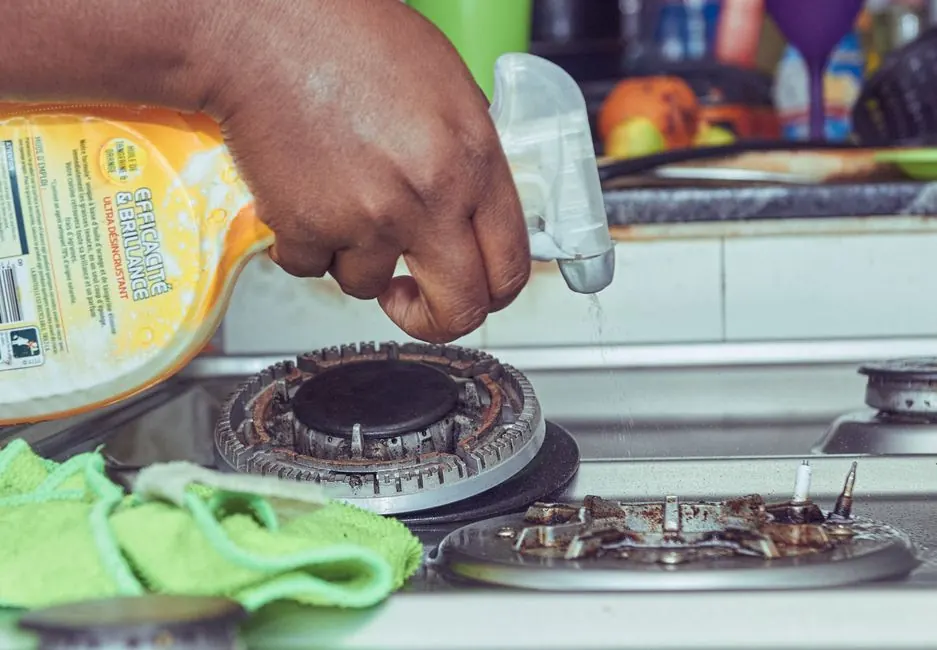 Kitchen Mold RemovalA sink, appliance, or plumbing leak can wet cabinetry and nearby wall cavities, with odors eventually noticeable at nearby vents. We trace the moisture source, remediate affected kitchen materials, and inspect accessible HVAC components where the contamination may have spread.Explore →
 Garage Mold RemovalGarages can hold moisture from roof leaks, stored wet items, and poor air movement. If the HVAC system or connected ductwork passes through an affected area, we assess the route and keep garage contamination from being treated as a separate, unrelated problem.Explore →
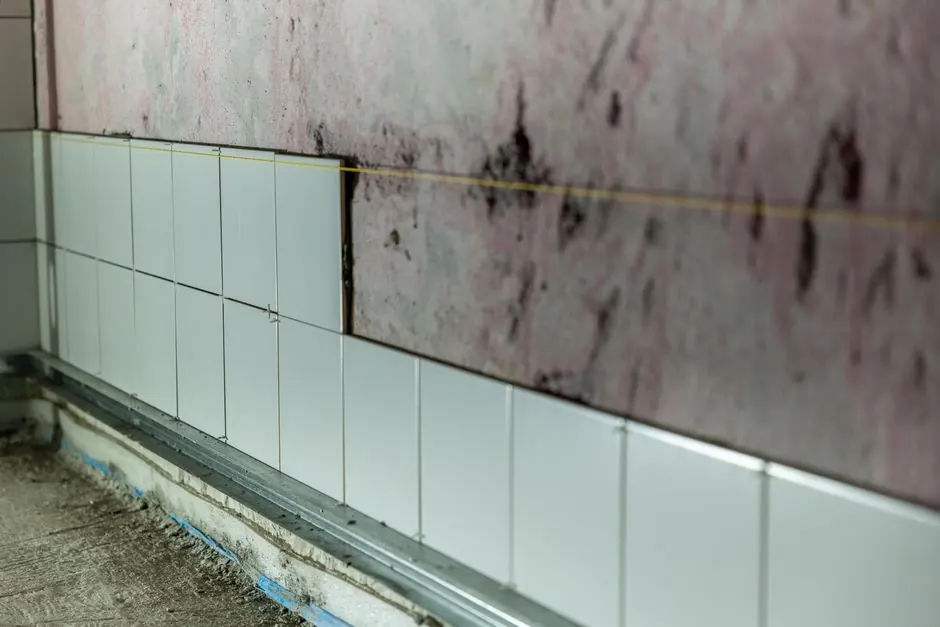 Hidden Wall Mold RemediationA plumbing leak or condensation behind drywall can create a musty smell that seems to come from a vent. We investigate wall cavities and nearby ductwork, then remove or clean affected materials using containment suited to the opening and the extent of growth.Explore →
 Ceiling Mold RemovalCeiling staining below an attic or plumbing line can signal moisture near HVAC runs. We find the source, assess ceiling materials, and inspect duct surfaces in the affected area so your repair addresses both the visible ceiling and any connected contamination.Explore →
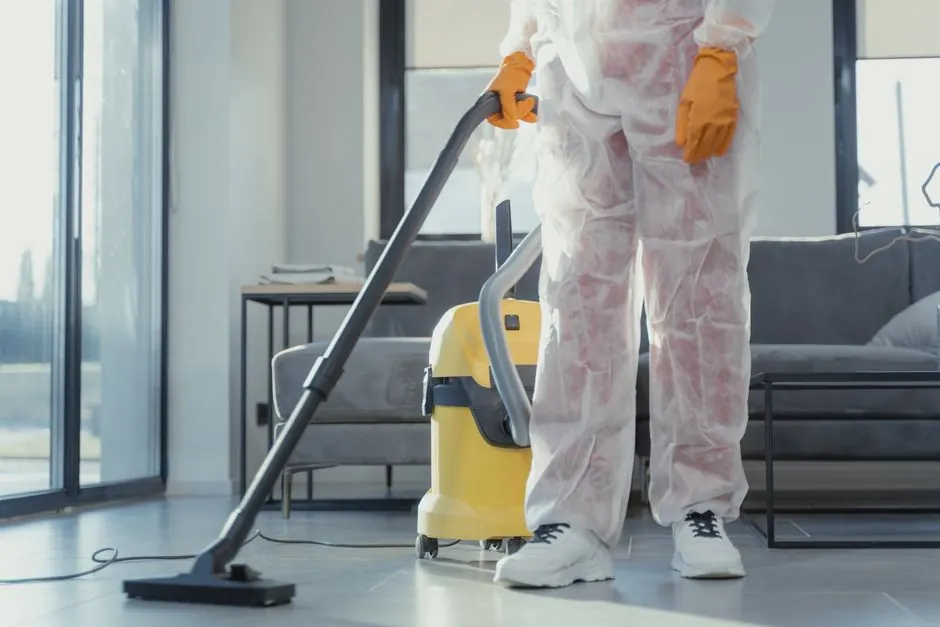 Mold Odor RemovalA musty odor that starts when the fan runs often points to a source in the HVAC system or adjacent damp materials. We trace the odor, inspect accessible duct sections, and remove or treat the cause rather than masking it with fragrance.Explore →
An affordable quote starts with a defined system and scope. Ask what cleaning, removal, replacement and verification cost separately. For same-day assessment or 24/7 help, call +18017531306 to confirm current availability.
Request Inspection +18017531306 →Tell us where the concern appears, the duct access and any leak or cleaning history. Call +18017531306 to discuss an assessment within Springville ZIP 84663.