01
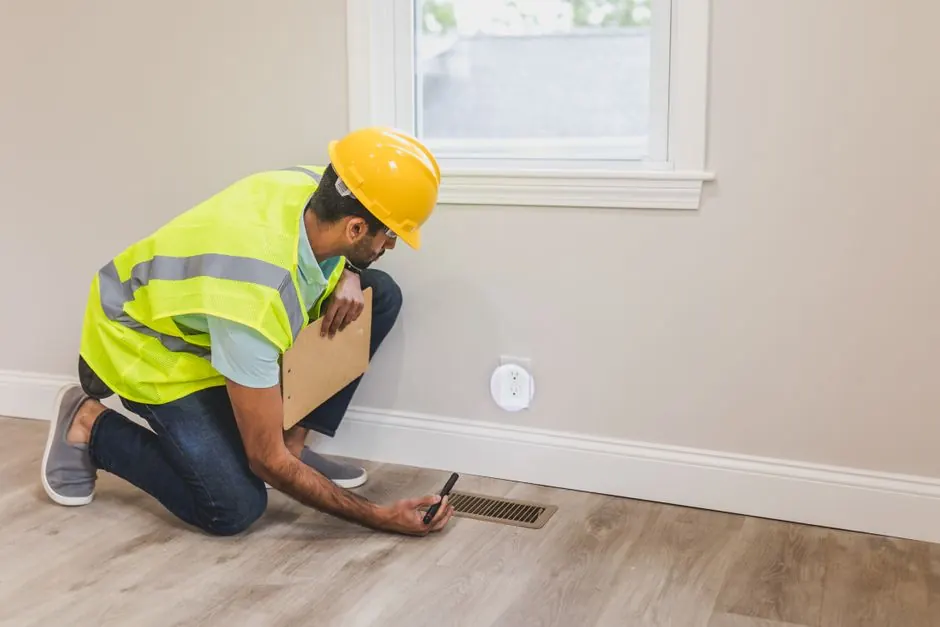
Listen and inspect
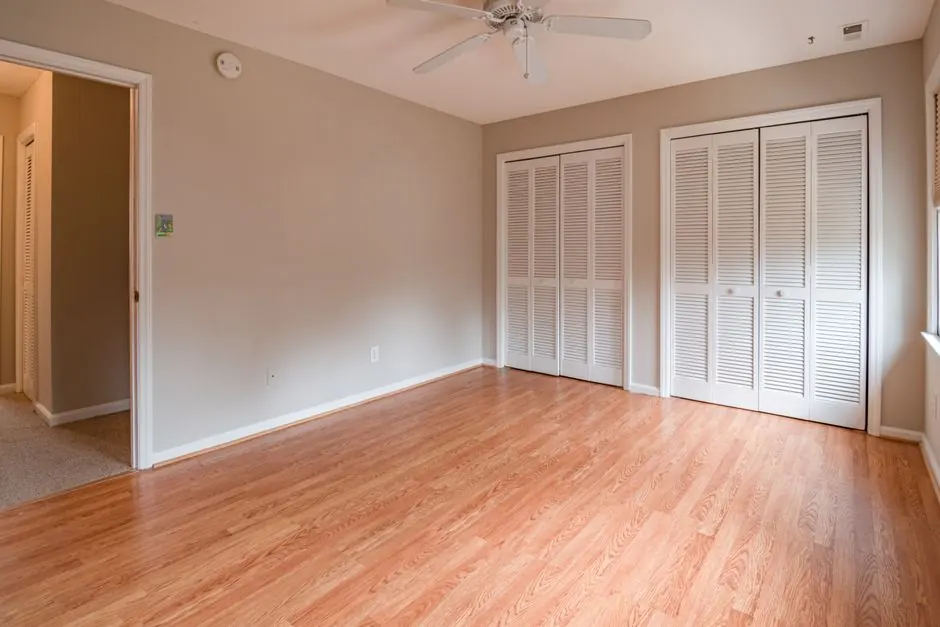
Tell us when the smell began, which room it starts in, whether it changes with weather or HVAC use and what has already been cleaned. Note previous leaks, damp stored items or a room that has been closed for a long time. These details help narrow the search.
02
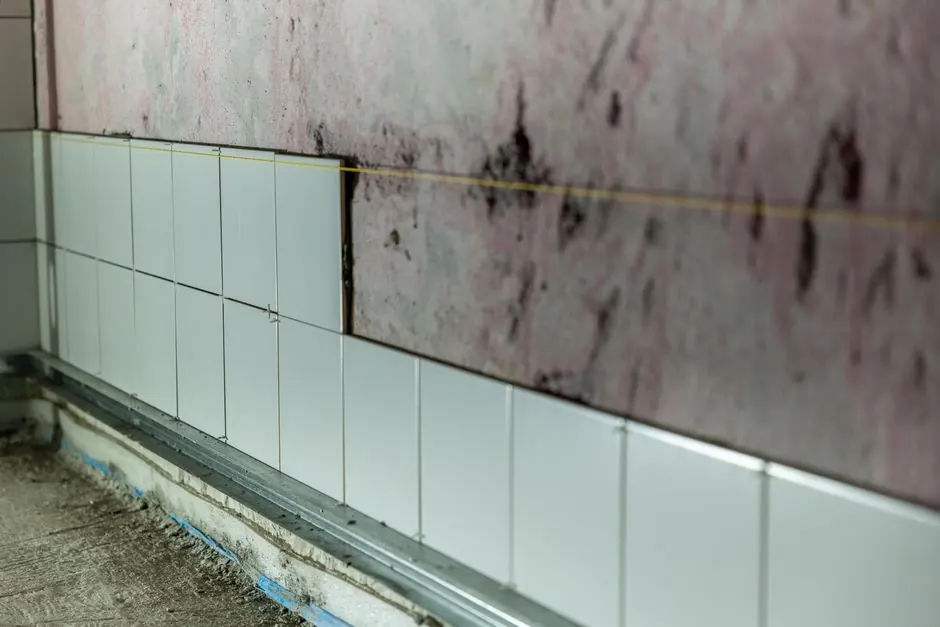
Map moisture
We inspect accessible surfaces and compare moisture conditions. Thermal imaging can direct further checks, but it does not identify mold through walls. If the source remains uncertain, we explain the limits and the next investigative step rather than assume a diagnosis.
03
Set containment
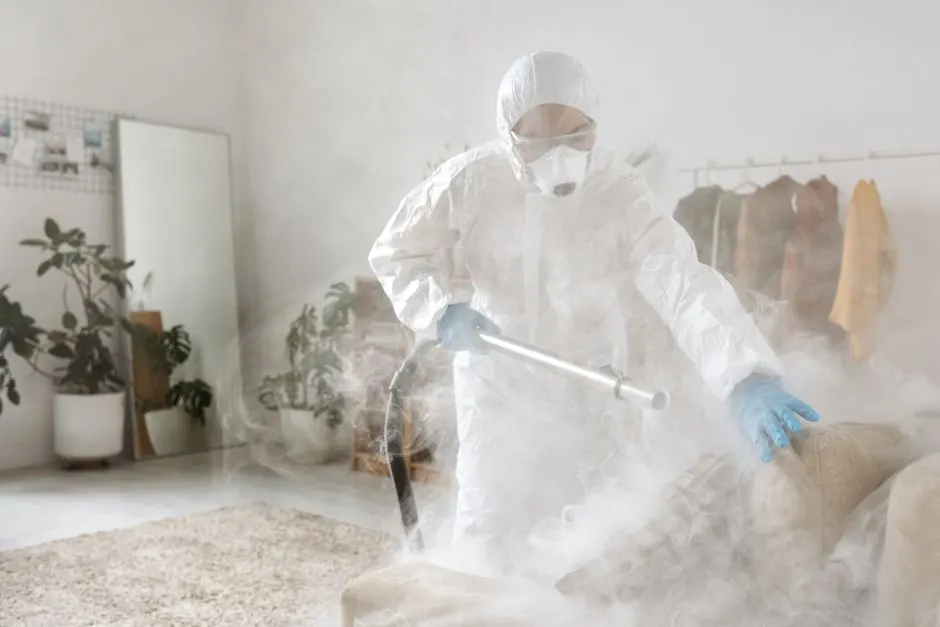
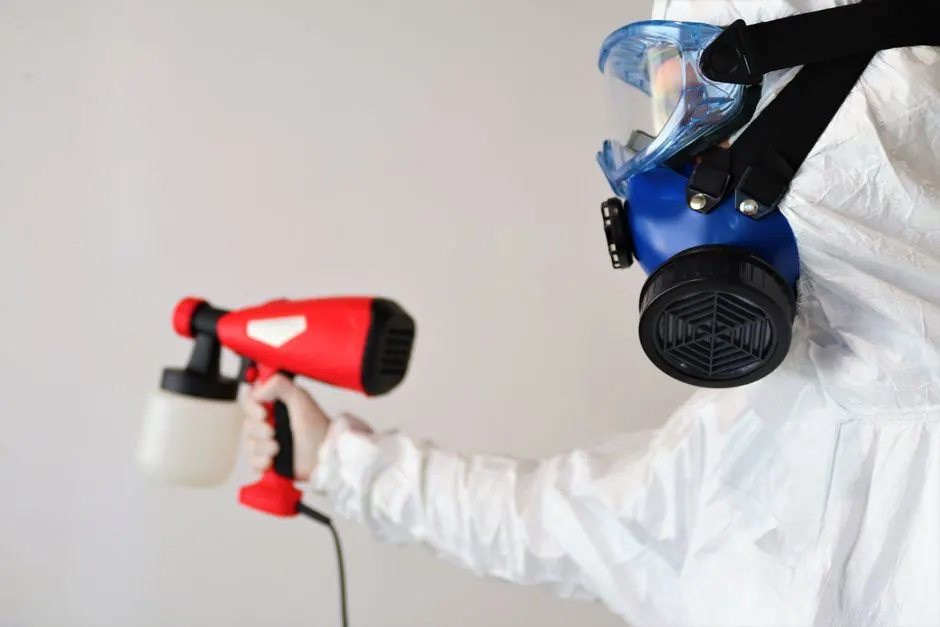
When cleanup involves disturbing affected material, we plan containment, filtration and protection of nearby belongings. Discuss bedroom access, tenant arrangements and any route through the room that must remain available. Occupants and pets stay outside the active work zone.
04
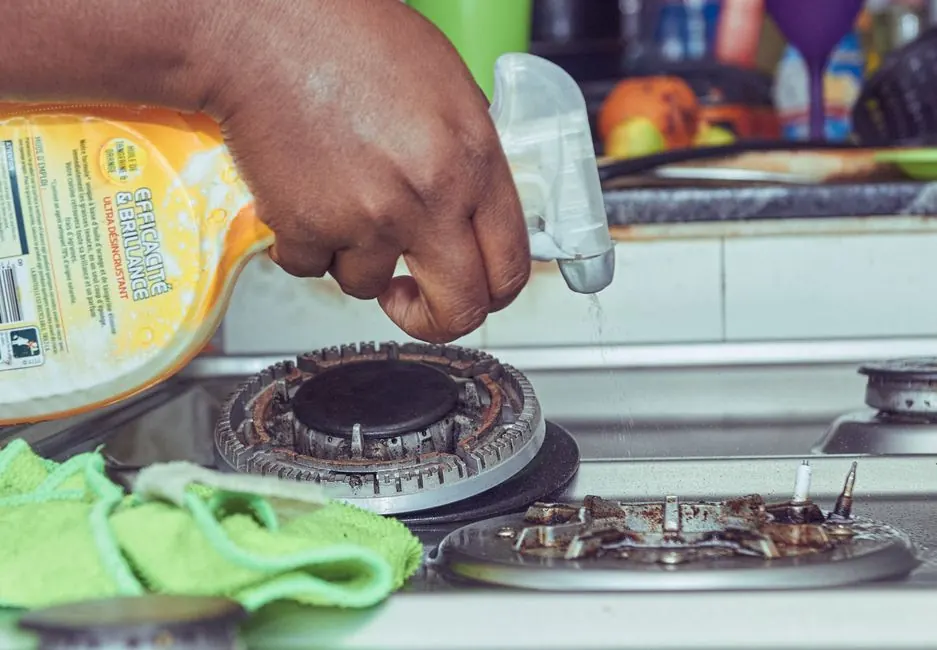
Clean and remove
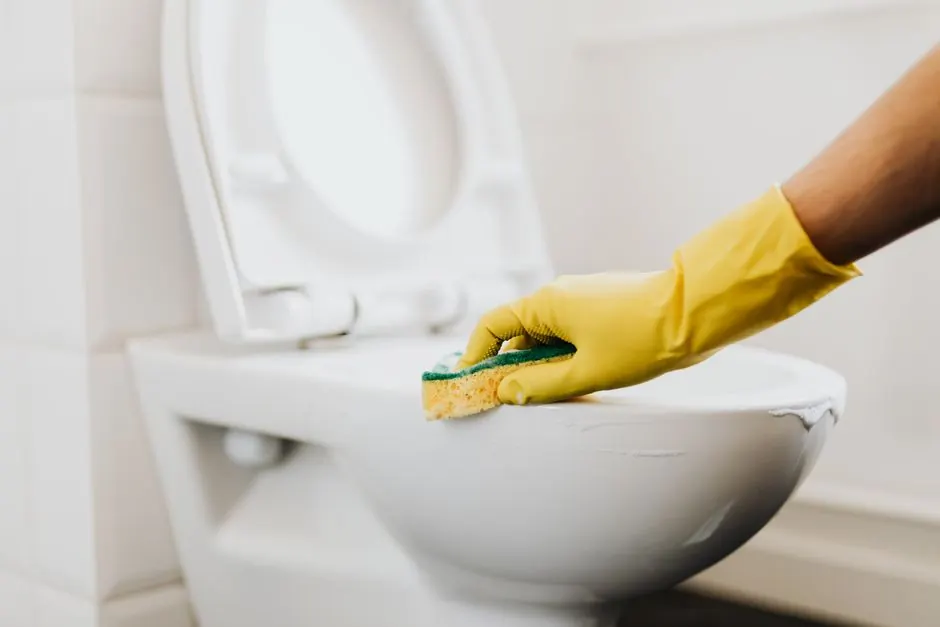
We clean restorable surfaces and remove affected material that cannot be effectively restored. Damp carpet padding, cabinet backing or insulation can require a different response from a washable hard surface. The work follows the findings; fragrance or a surface mist is not a substitute.
05
Dry and verify
The moisture source and material condition guide drying and repairs. We review the work and reassess the odor concern after the source has been addressed. A changed smell alone does not prove every affected material is clear, just as a remaining odor does not by itself prove active mold.