Help with damp walls, ceiling stains and musty storage

Garage Mold Removal in Springville, UT

Spots behind the shelves, a musty smell or damp garage drywall? We inspect the affected area, plan cleanup and explain what needs to dry or be repaired.

↗
Talk through the problem

Request a garage inspection

Tell us where you see growth or notice an odor, and whether water is still entering. Call to discuss an inspection and current scheduling.

Call Now +18017531306 → No spam. No obligation. Just practical help.
Mold Remediation for Springville homes
Careful work. Honest options.
About this service

A garage wall can stay damp behind stored belongings

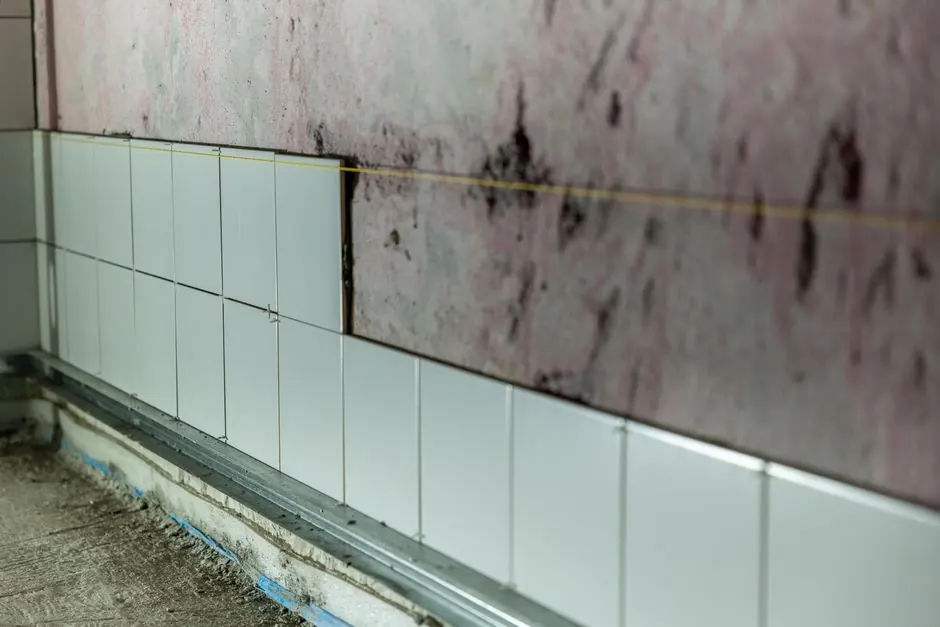
A garage can look dry from the driveway while moisture remains behind shelving, at the wall base or above the ceiling. A returning smell or stain deserves a closer look before the area is repainted. Garage mold removal starts with the affected material and the water source, rather than treating every dark mark as the same problem.

For a home near downtown Main Street or farther east toward Hobble Creek, tell us whether the garage is attached, what is stored against the affected wall and when you notice moisture. We serve Springville ZIP 84663, including Hobble Creek addresses within that ZIP. Water tracked in during snowy weather, leaks and condensation are possibilities to investigate, not a diagnosis based on the season or address.

  • ✓ Find the Moisture Source
  • ✓ Control Dust During Work
  • ✓ Treat Materials Correctly
  • ✓ Reduce Repeat Growth
What's included

What's Included in Garage Mold Removal

Garage mold remediation includes assessing affected surfaces, planning work-area protection, cleaning restorable materials, removing material that cannot be restored and checking drying needs. Roof, plumbing, drainage, garage-door repairs and rebuilding need separate decisions in the scope. The moisture source must be addressed before finishes cover the area again.

✓

Moisture and Area Check

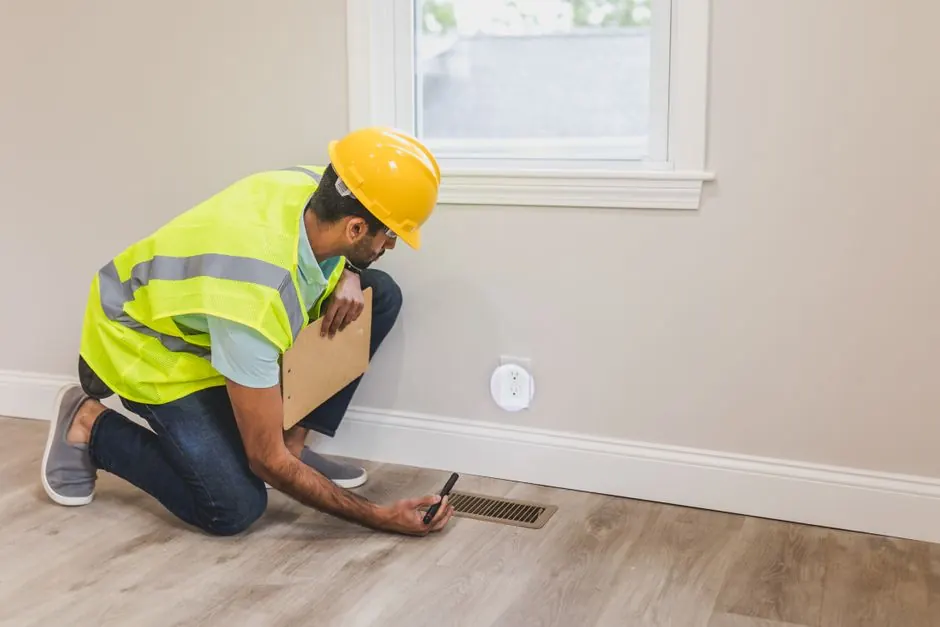
We check accessible wall bases, ceiling stains, framing, stored belongings and nearby surfaces. Comparing moisture readings helps decide where further inspection is justified. A reading does not identify a mold species or prove every hidden surface is clear.

✓

Work-Zone Protection

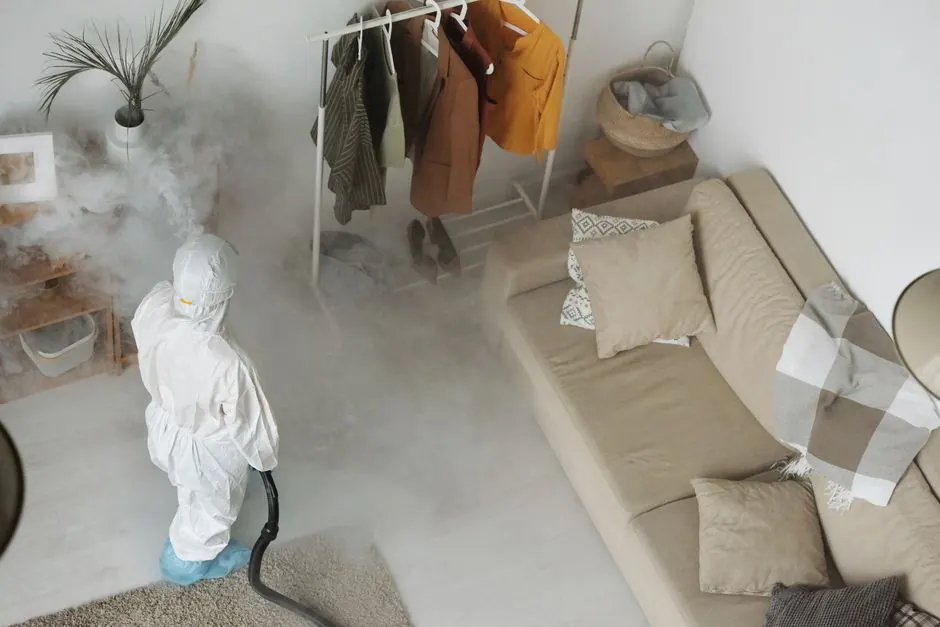
In an attached garage, we plan how the work relates to the connecting doorway and adjoining rooms. Containment, filtration and the debris route are matched to the disturbance. An open overhead door alone does not provide controlled containment.

✓

Cleaning or Removal

Sound wood, concrete and finished surfaces need methods suited to their condition. Affected drywall, insulation and deteriorated porous materials require separate assessment. We explain what can remain and the reason for any proposed removal before work starts.

✓

Drying and Final Review

We review what was cleaned or removed, remaining moisture and the repairs needed before closing the area. Any agreed testing or independent verification belongs in the scope. For a sale, rental or renovation, tell us what records you need before scheduling.

How it works

What to Expect During Service

01

Inspect and Map

Show us the stain or odor and describe any known roof, plumbing or door leak. We inspect accessible surfaces, compare moisture conditions and discuss further access where justified. Tell us about heavy shelving, overhead storage or a room above the garage that affects access.

02

Set Containment

Before disturbance, we plan protection for nearby belongings, the connecting doorway and the route used to remove debris. Discuss parking, access to the house and which areas must stay clear. Keep children and pets out of the work zone.

03

Remove or Clean

Restorable surfaces are cleaned with methods suited to the material. Mold-affected porous material that cannot be restored is removed under controlled conditions. Paint, fragrance or a quick spray does not replace cleanup or repair a moisture source.

04

Dry the Structure

The drying plan follows the wet materials, access and site conditions. Moisture checks help guide readiness for repairs; a dry-looking face does not establish that the cavity behind it is dry. Any roof, plumbing or water-entry repair needs to fit the sequence.

05

Review and Advise

We review the treated area and remaining work with you. If garage wall or ceiling material was opened, the repair plan needs to restore the assembly properly. Keep stored items clear of previously damp surfaces and check the area after the next rain or snowmelt event.

Tools & methods

Tools and Work Methods

The method follows the material, access and moisture conditions. Equipment supports the work; it does not replace stopping water entry.

Moisture meter

Moisture readings help compare affected and unaffected material and track drying. They guide closer investigation without relying on appearance or touch alone.

Thermal imaging camera

Thermal imaging screens for temperature differences that warrant inspection. It does not see mold through a wall; suspected moisture needs confirmation before removal decisions.

HEPA air scrubber

HEPA filtration helps capture airborne particles during appropriate controlled work. Its use and placement depend on containment and the connection between the garage and adjoining spaces.

HEPA vacuum

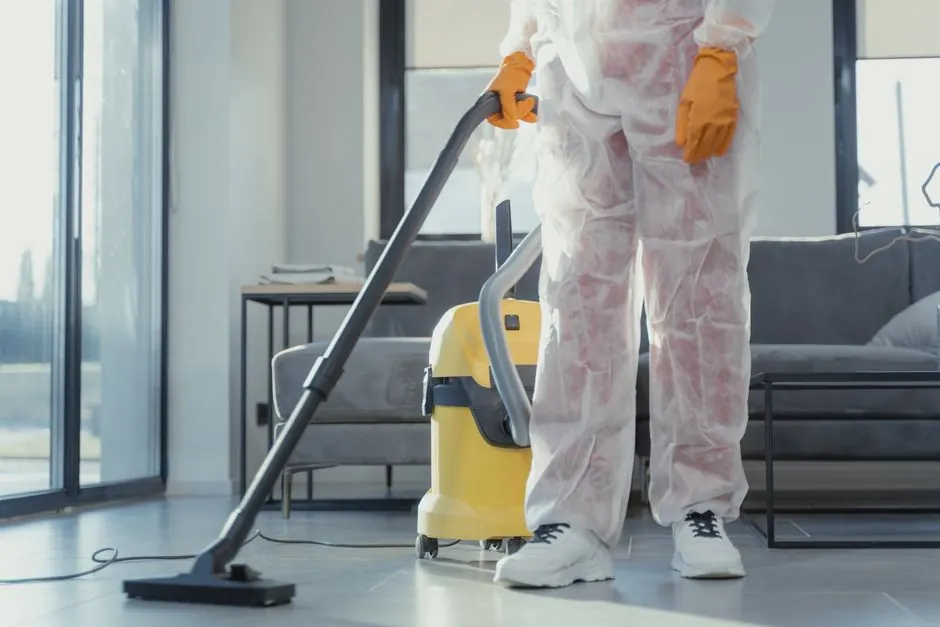
HEPA vacuuming helps collect settled dust and debris from suitable surfaces as part of cleanup. It does not restore deteriorated drywall or remove the source of dampness.

Commercial dehumidifier

Dehumidification supports drying where needed. Garage temperature, access and material condition affect the plan, so equipment is selected and progress checked for the actual space.

Know what to look for

Garage warning signs and what needs checking

Damp Wall Behind Storage

What you notice

Spots or a musty smell appear behind cardboard boxes or shelving. The lower wall stays damp or a mark returns after cleaning. Stored items can conceal the affected area until they are moved.

What needs checking

Check the wall base, nearby floor, stored materials and possible water entry. Cleanable surfaces and damaged porous material need different treatment. Discuss how belongings will be handled before moving potentially affected items into the house.

Ceiling Leak Over Work Area

What you notice

A ceiling stain appears over the workbench or parking area. There is a musty smell, peeling finish or evidence of a previous leak, even though the surface now looks dry.

What needs checking

The space above the stain needs assessment where accessible. Possible sources include the roof, plumbing or a room above the garage. Drywall, insulation and framing are assessed separately. Fixing the source and checking drying come before patching the ceiling.

Musty Odor Without Visible Growth

What you notice

The garage smells musty but the visible walls look clean. The odor is strongest near storage, an exterior wall or the door into the house.

What needs checking

An odor alone does not confirm hidden mold. Inspect accessible stored items, wall bases and ceiling areas and compare moisture conditions. Targeted access is considered when the findings justify it; air fresheners do not resolve damp material.

Problems we solve

Garage mold problems we help you address

A garage cleanup needs to account for the water source, affected materials and how the space connects to your home. We explain those decisions so the work goes beyond covering a stain and does not automatically become a full garage replacement.

Ask a pro →
01

Dark growth on garage drywall or framing

Color alone does not identify a mold species. We assess the material and moisture, then explain whether cleaning or controlled removal is appropriate. Growth on a wall face does not show the full condition of insulation or framing behind it.

↗
02

Musty odor in a garage with no visible source

We assess accessible storage, wall bases and ceiling areas before recommending hidden access. A camera view or moisture reading supports the assessment but has limits. The aim is to locate the source of the smell without assuming every concealed area is affected.

↗
03

Mold returning after repeated DIY surface cleaning

Recurring growth can indicate persistent moisture or affected material left behind. The source might be a leak, water entry or condensation; the plan must respond to the findings. Surface cleaning alone does not repair those conditions.

↗
04

Wet garage storage and moldy contents after water entry

Cardboard, fabric and other porous contents need individual assessment. Some items cannot be effectively restored, while suitable hard surfaces can be cleaned. Contents cleaning, disposal and the building cleanup should be clearly identified in the scope before belongings are handled.

↗
Before work starts

Compare the scope of your garage mold estimate

✓
Written cleanup scopeThe best comparison covers the same area, containment, contents handling and debris removal.
✓
Material and access decisionsAn affordable plan preserves sound material without leaving inaccessible damage or damp cavities hidden.
✓
Drying, repairs and verificationAsk what remains after cleanup, which repairs are separate and when storage and parking can resume.
Good questions

Garage Mold Removal Questions

+18017531306

Mold needs moisture and a suitable surface. Possible sources include roof or plumbing leaks, water entering at the door or wall base, condensation and stored items that stay damp. The pattern and moisture findings help distinguish these causes. Opening the garage door does not repair a leak; correcting the source is part of reducing recurrence.

Disturbing affected material can move dust and particles through connected openings. A shared wall does not by itself prove adjoining rooms are affected. We assess accessible boundaries and plan containment and debris handling around the work. Keep the connecting door closed and follow the agreed access restrictions during cleanup.

Cost depends on the affected area, material removal, access around storage, containment, contents handling, drying and verification. Cleaning an accessible hard surface is a different scope from opening an insulated wall or ceiling. Ask for roof, drainage, plumbing and reconstruction work to be identified separately. We discuss the actual scope after assessment rather than quoting an unsupported flat price.

The schedule depends on access, the affected materials, moisture conditions and the repairs needed afterward. Cleanup, structural drying and rebuilding are different stages. Before scheduling, discuss parking, entry to the house, storage and equipment operation. Return-to-use arrangements are based on the work and conditions, not a fixed number of days for every garage.

Ready when you are

Schedule Garage Mold Removal in Springville

Tell us where you see spots or notice an odor, whether the garage is attached and if there is a known leak. Call Springville Mold Care at +18017531306 to discuss an inspection and the next step for your property in ZIP 84663.

Call for Service +18017531306 →
Request an appointment

Contact Springville Mold Care

Call +18017531306 about damp garage walls, ceiling stains or musty storage. Tell us if water is still entering and whether the work affects access to your home. If you need 24/7 assistance or a same-day visit, confirm current availability when you call; an appointment time is agreed when the visit is arranged.

Tap to call+18017531306