01
Inspect and Map
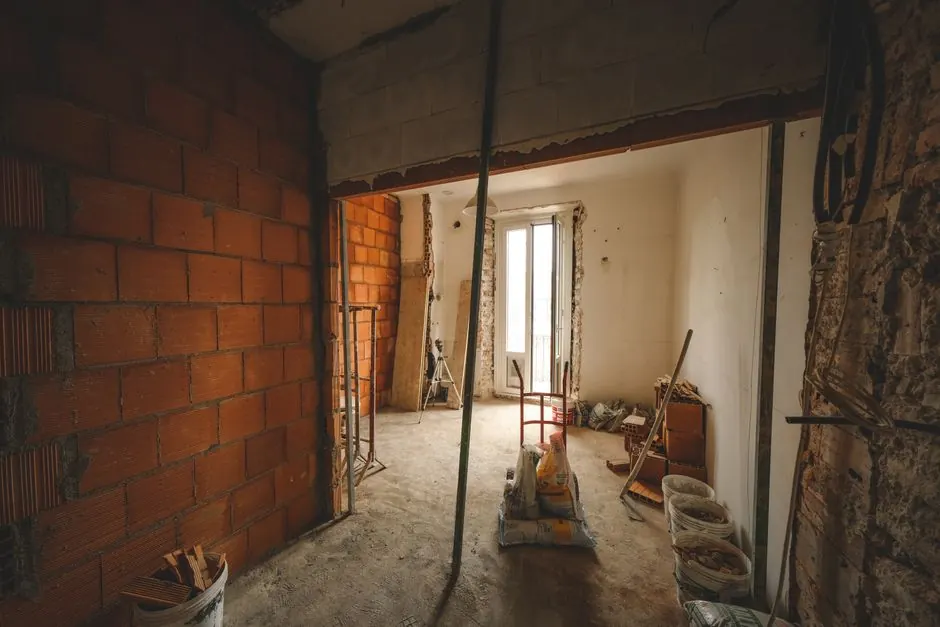
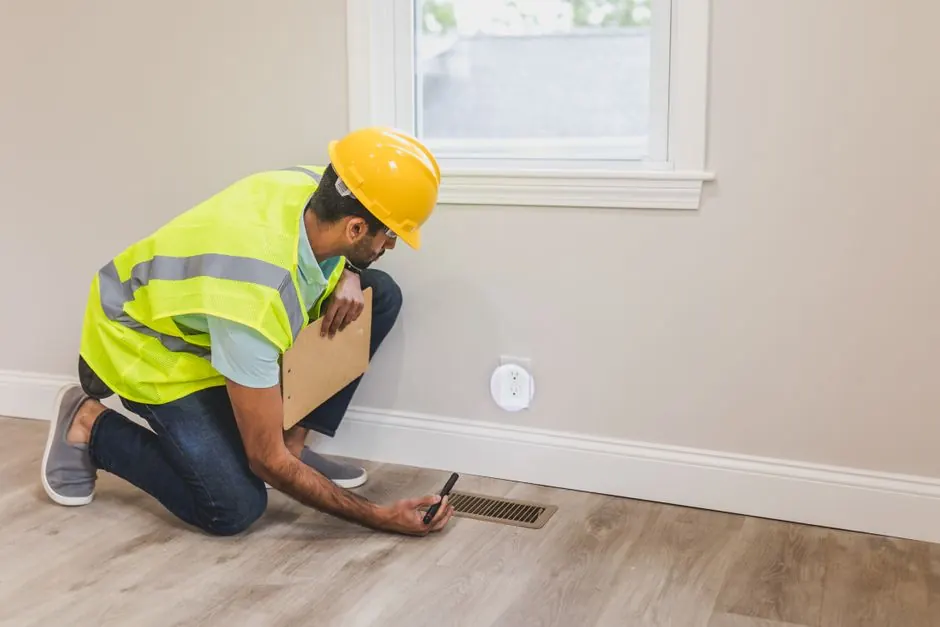
Show us the returning spots, odor or known leak. We check accessible plumbing, the cabinet base, toe kick, adjacent wall and floor. Comparing moisture readings helps decide whether targeted access is justified. A thermal image supports that investigation; it cannot see mold through a wall.
02
Contain the Work
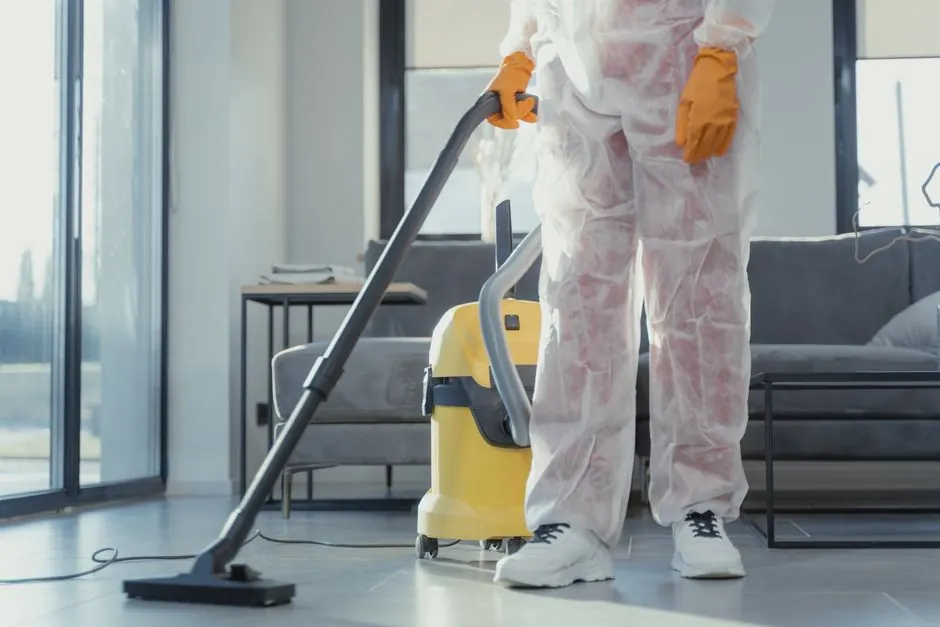
We discuss which cabinets and appliances need access, where containment will go and how debris will leave the house. Keep food, dishes and small appliances away from the planned work zone. Ask before moving items that are visibly affected or damp.
03
Remove or Clean
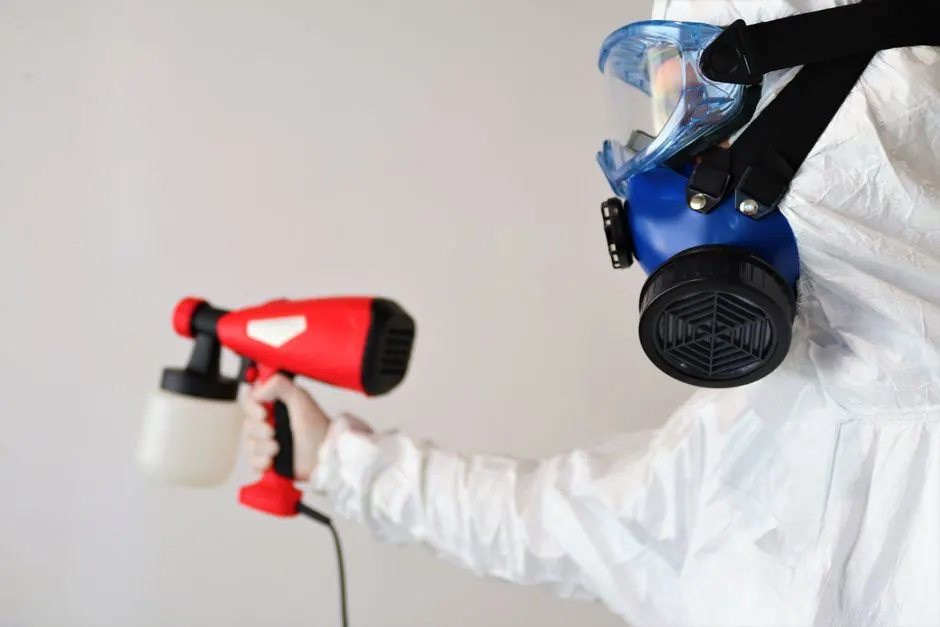
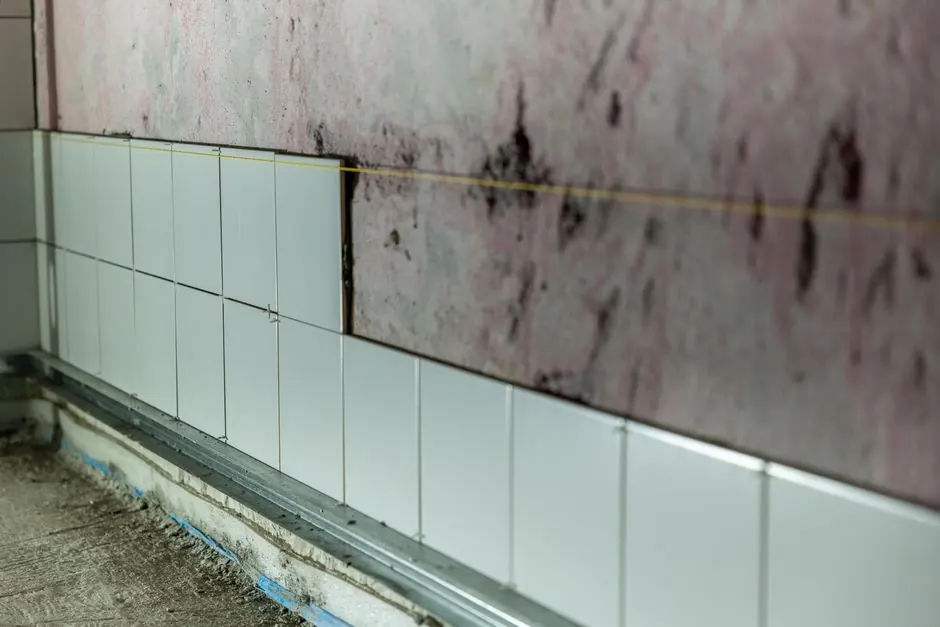
We clean suitable surfaces and remove mold-affected material that cannot be restored. A cabinet face can look sound while its backing is damaged, so decisions follow the condition of each material. Painting over growth or spraying a fog into a closed cabinet does not replace cleanup.
04
Dry the Structure
The leak or other moisture source needs correction before repairs cover the area. Drying equipment and moisture checks are matched to the wet materials and available access. Tell us if appliance noise, power access or disruption to meal preparation needs planning.
05
Check and Close Out
We review the treated area, drying condition and remaining repair work with you. Cabinet installation, plumbing reconnection and flooring repairs need the right sequence. Return-to-use arrangements depend on the work completed and any restrictions that remain.