Help with shower mold, damp walls and recurring spots

Bathroom Mold Removal in Springville, UT

Shower spots that keep returning? A musty vanity or damp wall? We check the moisture and remove affected growth, with a clear plan for drying and repair.

↗
Talk through the problem

Request a bathroom inspection

Tell us where the problem appears and whether there is a known leak. Call to discuss an inspection and current scheduling.

Call Now +18017531306 → No spam. No obligation. Just practical help.
Local Mold Removal team in Springville
Careful work. Honest options.
About this service

When cleaning the shower stops solving the problem

A few spots on a shower seam and a soft wall beside the tub need different kinds of attention. The first question is where the water is staying and how far it has traveled. We check grout, caulk, painted surfaces, the vanity and nearby flooring, then assess accessible materials behind the visible problem where needed. Sound, cleanable surfaces are treated differently from deteriorated drywall or wet insulation.

Whether your home is near downtown Main Street or farther east toward Hobble Creek, tell us which bathroom is affected and what happens after the shower runs. We serve Springville ZIP 84663, including Hobble Creek addresses within that ZIP. Moisture readings and accessible inspection help distinguish recurring surface dampness from a leak behind finishes; neither shows every concealed surface.

  • ✓ Find the Moisture Source
  • ✓ Protect Adjacent Rooms
  • ✓ Remove Unsound Materials
  • ✓ Leave a Clear Drying Plan
What's included

What Bathroom Mold Removal Includes

Bathroom mold remediation includes assessment of the affected area, appropriate containment, cleaning restorable surfaces, removal of material that cannot be restored and a drying plan. Plumbing, shower waterproofing, tile replacement, fan repairs and reconstruction must be clearly separated in the scope. The moisture source needs correction before repaired surfaces are closed up.

✓

Bathroom Condition Check

We assess shower tile, grout, caulk, painted surfaces, cabinet interiors and nearby floor edges. Show us when spots appear, where the odor is strongest and whether there has been a leak. Color alone does not identify a mold species.

✓

Moisture Source Review

A fan that makes noise is not necessarily removing enough moist air. Steam that lingers, failed seals and leaking connections need different attention. A bathroom exhaust duct needs to discharge outdoors; ending it in the attic moves moisture into another part of the house.

✓

Controlled Surface Cleaning

Restorable hard surfaces are cleaned using a method suited to the material and work conditions. We protect nearby finishes and plan filtration and debris handling around the disturbance. Painting or caulking over mold is not a cleanup method.

✓

Damaged Material Removal

Not every bathroom mold problem needs demolition. Glazed tile can remain sound while its backing is damaged, and surface spotting alone does not justify replacing a whole shower. We explain the proposed removal boundary and why affected porous material needs to come out.

✓

Drying and Closeout

Moisture conditions and material condition guide readiness for repair. We review what was treated, remaining repairs and any agreed verification. A vanished stain does not prove the area is dry. Ask when the toilet, sink and shower can be used again.

How it works

What to Expect During Service

01

Inspect and Map

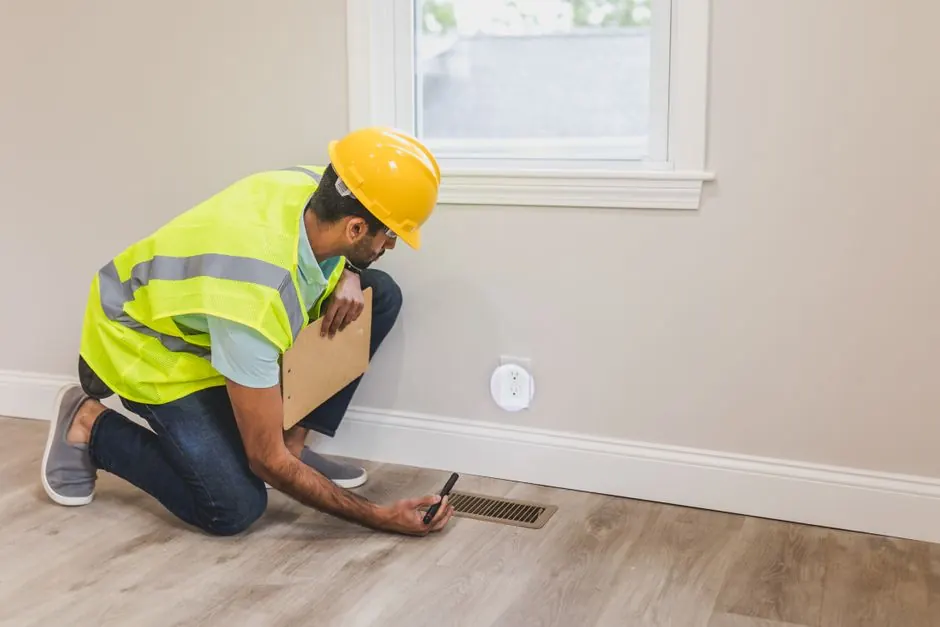
Show us the stain, returning spots or odor and describe any known leak. We compare moisture conditions around the shower, vanity, nearby walls and floor. Targeted access is discussed when needed; readings or a camera view cannot prove every concealed surface is clear.

02

Stop the Water

We discuss the likely water source and the order of repairs. A leaking drain, shower base or plumbing connection needs correction; a larger fan will not fix it. We distinguish remediation from plumbing, waterproofing and structural repairs before finishes are closed up.

03

Contain the Work

Where removal is required, we protect the route through the home and match containment, filtration and debris handling to the work. Tell us if this is your only bathroom so toilet access, shower downtime and temporary restrictions can be planned before work begins.

04

Clean and Remove

We clean suitable surfaces and remove mold-affected material that cannot be restored. A chemical treatment is not a substitute for physical cleanup or removal of damaged porous materials. Sound framing is assessed separately from deteriorated wallboard or backing.

05

Dry and Review

Drying needs are checked before rebuilding. We review the treated area and the remaining work with you, including any agreed verification. For rentals, arrange entry with the property manager and make sure occupants understand access restrictions and which fixtures remain out of use.
Tools & methods

Tools and Remediation Methods

The method follows the material, access and moisture conditions. Equipment supports the work; it does not replace repairing a leak.

Moisture meter

Moisture readings help compare affected and unaffected materials around the shower, vanity, walls and flooring. They support access and drying decisions rather than relying on touch or appearance alone.

Borescope inspection camera

Where a cavity is accessible, a camera can help inspect concealed conditions through a small opening. Direct access may still be needed to assess damage beyond that limited view.

HEPA air scrubber

HEPA filtration helps capture airborne particles during appropriate controlled remediation. Its use is matched to containment, the work area and the amount of material being disturbed.

HEPA vacuum

HEPA vacuuming helps collect settled dust and debris during cleanup. It does not correct a water source or restore damaged material that cannot be effectively cleaned.

Commercial dehumidifier

Dehumidification supports structural drying where needed. Material readings and conditions guide progress rather than a fixed number of hours or days.

Surface cleaning methods

Cleaning products and methods must suit the surface and follow label directions. Never mix bleach with other cleaning products. Product application does not replace removing mold-affected material that cannot be restored.

Know what to look for

Bathroom warning signs and what needs checking

Recurring Shower Grout Growth

What you notice

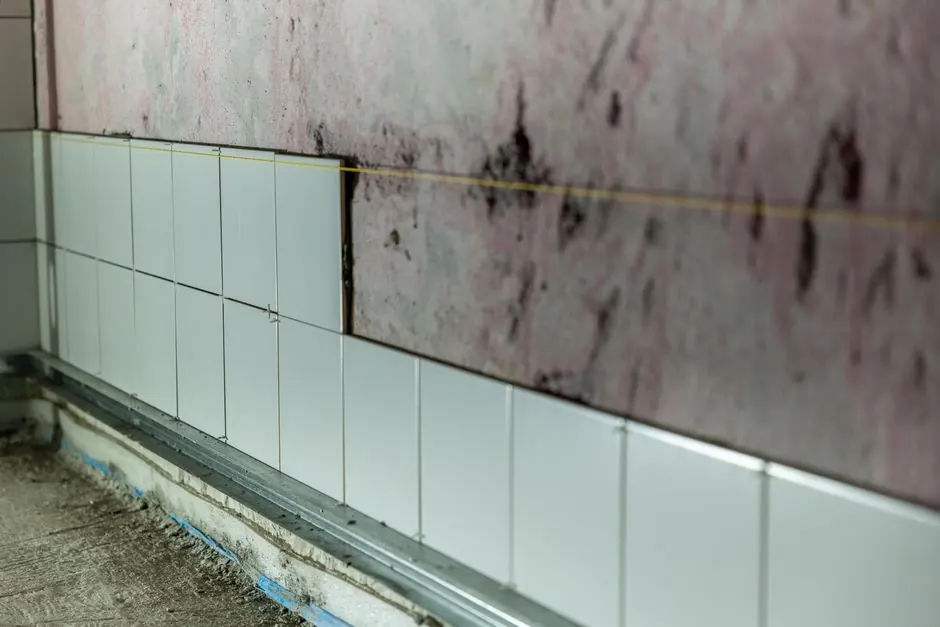
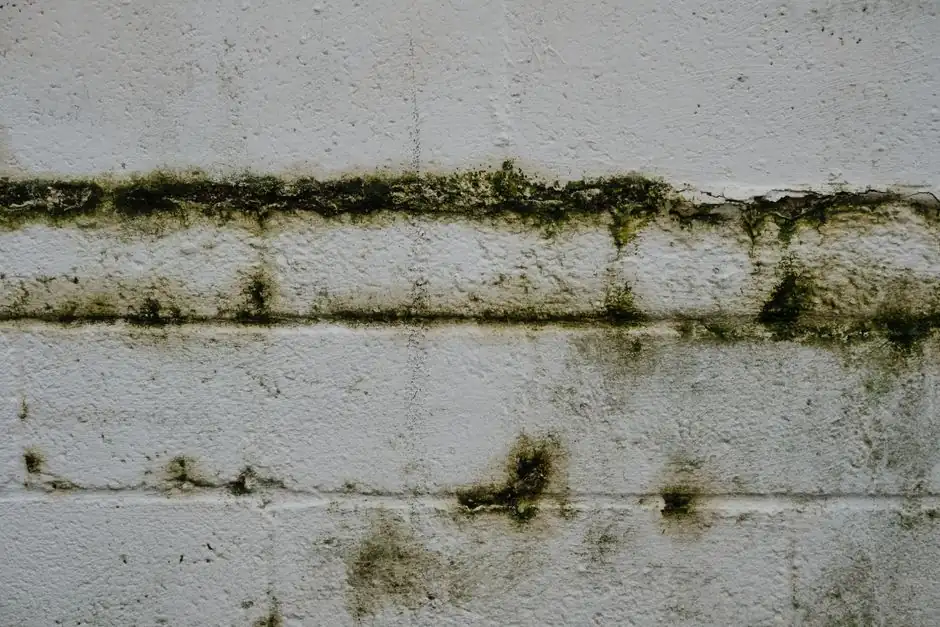
Dark spots return along grout or a shower corner after cleaning. Caulk has separated, water sits along a joint or the wall beside the tub feels soft. These signs deserve a check beyond the visible surface.

What needs checking

Persistent dampness, damaged joints and possible water entry behind the finish need assessment. Replacing affected caulk can help when the issue is confined to that joint. The old material must be removed and the joint cleaned and dried before resealing; new caulk does not repair a leaking shower assembly.

Damp Vanity Wall

What you notice

A musty odor, swollen cabinet backing or bubbling paint appears near the vanity. A small leak can keep porous material wet while the room looks dry from the doorway.

What needs checking

Supply lines, drain connections, cabinet material and the wall behind it need checking. An odor does not by itself prove the entire cabinet needs replacement. Cleanable surfaces and deteriorated board need different decisions.

Ceiling Condensation Above Shower

What you notice

Spots develop above the shower or a ceiling stain appears beneath an upstairs bathroom. The location of the stain does not establish whether the cause is steam, plumbing or a roof leak.

What needs checking

Check ventilation and what is above the ceiling. Warm shower air meeting a cool surface can cause condensation in colder weather. A new stain below a shower also warrants checking the shower base, drain and floor assembly above before the ceiling is patched.

Problems we solve

Shower mold, hidden dampness and recurring stains

Bathroom mold removal starts by finding where moisture stays. We look at the affected material, the water source and whether cleanup needs access behind the finish. A soft floor, sagging ceiling or active leak needs prompt attention; keep people clear of unstable materials.

Ask a pro →
01

Black spotting returns across grout lines after each deep clean

We check how well surfaces dry, the condition of grout and joints and any signs of water entering behind the finish. Repeated scrubbing does not resolve wet backing or a leaking shower assembly. The repair plan needs to address both the surface and the source.

↗
02

A musty odor persists despite a bathroom that looks clean

A musty smell is a reason to investigate, not proof of mold in every concealed surface. We assess accessible areas and compare moisture conditions before deciding whether more access is justified. Fragrance does not resolve wet or affected material.

↗
03

Shower caulking mold grows back along the tub edge

If the problem is confined to the caulk line, the repair plan focuses on the joint and surface. If moisture has reached the wall or floor, affected material and drying need attention before resealing. Do not apply fresh sealant over damp, moldy surfaces.

↗
04

Paint bubbles or drywall softens beside the shower

We assess moisture around the shower edge, nearby plumbing and adjoining materials. If removal is needed, we explain its extent and plan controlled access. Mold cleanup and replacement of rotted or structurally damaged wood are separate decisions.

↗
Before work starts

A clear bathroom mold removal plan

✓
Written work scopeThe best comparison covers the same access, containment, cleaning, debris removal and verification.
✓
Defined material decisionsAn affordable plan preserves sound material without hiding wet backing or deteriorated wallboard.
✓
Drying and bathroom accessDiscuss your only bathroom, equipment use and any deadline before agreeing to the work sequence.
✓
Repairs and preventionRepair leaks, use effective outdoor exhaust and check returning stains or odors instead of covering them.
Good questions

Bathroom Mold Removal Questions

+18017531306

Persistent moisture, surface buildup, failed joints or wet material behind a finish can support recurring growth. Check whether shower surfaces dry between uses and whether the fan removes excess moisture. A leaking valve, drain or shower base needs its own repair. Cleaning alone does not resolve wet backing, and ventilation alone does not repair a leak.

Yes, when affected material cannot be effectively cleaned and restored. The decision depends on material condition, access and moisture findings. Surface spotting does not automatically justify replacing an entire shower. We explain the proposed removal boundary and the sequence for cleaning, drying and repair.

Access depends on the affected area, containment and work underway. Tell us before scheduling if this is your only bathroom. Toilet access, shower downtime and temporary restrictions need an agreed plan. Keep children and pets out of the work zone and do not assume a contained bathroom can stay in use.

The affected area, access behind finishes, material removal, containment, drying and repairs all affect the estimate and schedule. Ask for plumbing, tile, waterproofing, fan repairs and rebuilding to be identified separately. We discuss the scope after assessment rather than quoting an unsupported flat price or promising a fixed completion time.

Ready when you are

Get Bathroom Mold Removal in Springville

Tell us where the spots or odor appear, whether there is a known leak and if this is your only bathroom. Call Springville Mold Care at +18017531306 to discuss an inspection and the next step for your home in ZIP 84663.

Call for Service +18017531306 →
Request an appointment

Contact Springville Mold Care

Call +18017531306 about recurring shower spots, a damp vanity or a new stain below an upstairs bathroom. Describe any active leak or access concern. If you need 24/7 assistance or a same-day visit, confirm current availability when you call; an appointment time is agreed when the visit is arranged.

Tap to call+18017531306