01
Assess the basement and agree on scope
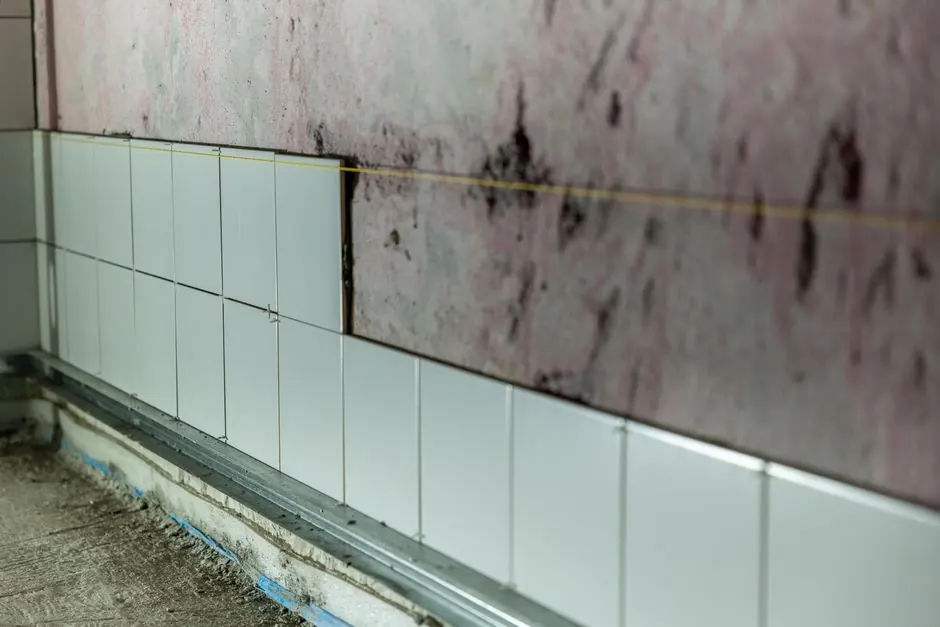
Show us stains, odor locations and where water first appeared. Share earlier repairs and photos taken while the area was wet. We review accessible materials and agree on affected boundaries, access limits and how unexpected concealed damage will be handled.
02
Protect rooms, stairs and access routes
Before removal, we establish the agreed work zone and controlled entry. Tell us if the basement contains a bedroom, rental unit, laundry or the only route to equipment. Utility access and exits need to stay part of the plan; occupants and pets stay outside restricted areas.
03
Remove affected material and clean
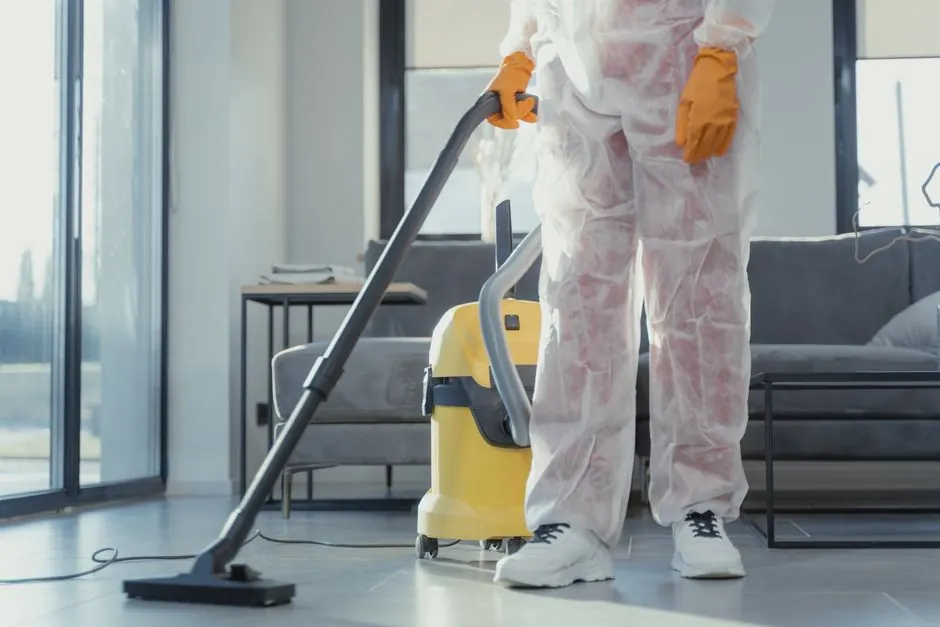
We remove material that cannot be adequately cleaned and clean the surfaces retained in the scope. Debris is contained before it travels through the home. Stored items are assessed separately; avoid carrying dusty or mold-affected belongings upstairs before discussing handling.
04
Check drying and source correction
Drying follows the material and moisture conditions. We check relevant readings rather than choosing a fixed number of days. A plumber or drainage specialist may need to resolve the source. Repeated water entry must be addressed before installing new drywall or flooring.
05
Review completion and the repair handoff
We review completed work, remaining concerns and the agreed criteria for the next stage. Confirm any written records, photographs and independent verification requirements in advance. Replacement finishes, flooring and reconstruction are separate unless your quote includes them.