Contain growth, correct moisture, and reopen work areas

Commercial Mold Remediation in Springville, UT

Mold, recurring dampness or a musty room at your business? We assess the affected area and plan controlled cleanup around the building, its occupants and the repairs needed.

↗
Start with your building concern

Request a site review

Tell us the property type, affected rooms and who manages site access. Call to discuss a site review and scheduling.

Call Now +18017531306 → No spam. No obligation. Just practical help.
Mold Remediation for Springville homes
Careful work. Honest options.
About this service

Plan cleanup around the building and the people using it

A commercial mold project needs clear work boundaries, a site contact and a sequence for source repair, material removal, cleaning and drying. We explain which areas need restricted access and what still needs investigation before you authorize the work. Phased cleanup depends on the actual conditions, not simply the room you want kept open.

For a Main Street shop, office suite or other business property in Springville ZIP 84663, tell us about customer routes, deliveries, shared spaces and operating hours. These details shape access and debris handling. Our coverage includes Hobble Creek addresses within 84663; it does not extend automatically to all Utah County.

  • ✓ Limit Worksite Disruption
  • ✓ Identify Source-Repair Needs
  • ✓ Protect Building Materials
  • ✓ Create Clear Closeout Records
What's included

What Commercial Remediation Includes

The agreed scope identifies affected areas, protection measures, materials to remove or clean, drying checks and closeout deliverables. Confirm contents handling, verification and rebuilding separately. Plumbing, roof repairs and mechanical-system work need a defined responsibility. Tell us about procurement, insurance-document or specialist protocol requirements before booking.

✓

Condition Assessment

We review reported rooms and relevant accessible boundaries. Moisture readings and observations guide further investigation; odor alone does not confirm mold. We identify inaccessible cavities and what extra access would be needed before pricing them as confirmed damage.

✓

Work Zone Control

We plan work-zone barriers, filtered air management and entry routes around the site. Shared HVAC, exits and adjoining suites need consideration. The building contact coordinates occupancy decisions and notices; a contained area does not automatically mean every surrounding operation can continue.

✓

Affected Material Cleaning

Unsuitable affected porous material is removed within the scope; retained suitable surfaces are cleaned. Contents, stock and equipment need separate handling decisions. Damage discovered beyond the quoted boundary is reviewed before additional work proceeds.

✓

Drying And Documentation

We review relevant drying checks and completed work with your designated contact. Confirm photos, readings, written findings and any independent verification before starting. Closeout records describe the work; they do not guarantee insurance payment or replace any required facility approval.

How it works

What To Expect On Site

01

Inspect And Map

Identify a decision-maker and site contact. Share leak history, prior reports, access limits and any sensitive operation. We assess accessible areas and agree on what needs further investigation before defining a work plan.

02

Set Containment

We agree on entry, signage, protected routes and restrictions before disturbing material. Shared ventilation and building services are reviewed with the responsible personnel. Phasing or work outside operating hours is discussed and scheduled only when suitable and available.

03

Remove And Clean

We remove unsuitable affected material and clean retained surfaces in the agreed zone. Debris handling is planned around staff, customers and deliveries. Fixtures, stock, records and electronics require specific agreement rather than being assumed included.

04

Dry The Structure

Source repair and drying have separate roles. A plumber, roofer or HVAC professional may need to complete repairs. Relevant readings and material conditions guide drying progress; there is no fixed number of days for every commercial building.

05

Verify And Close

We review the completed zone, remaining repairs and agreed verification before the next phase or reopening decision. Confirm who accepts the work and who handles reconstruction. Unexpected damage or schedule changes are raised with the authorized contact.

Tools & methods

Tools And Work Methods

Equipment and controls are selected for the affected area, materials and building use.

Moisture meter

We compare readings across affected and nearby materials to find damp areas and track drying progress. Readings help determine whether drywall, framing, or flooring needs more attention before closeout.

Thermal imaging camera

We use thermal patterns to guide targeted inspection when a leak may have spread behind a finish. Imaging helps narrow the search but is confirmed with direct inspection or moisture measurement.

HEPA air scrubber

During controlled removal and cleaning, a HEPA air scrubber filters airborne particles within the work zone. Its placement and operation support containment while technicians handle affected materials.

Negative air machine

Where the work plan calls for pressure control, a negative air machine helps direct airflow into the contained area rather than toward occupied spaces. We plan exhaust and access to suit the site.

HEPA vacuum

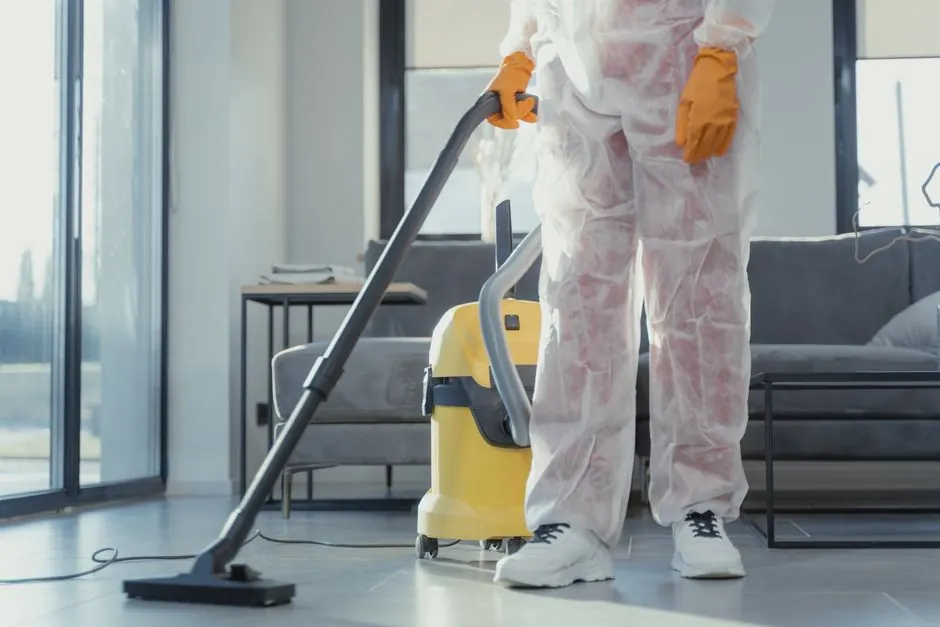
We use a HEPA vacuum to capture fine settled dust from suitable surfaces after removal or cleaning. It supports detailed cleanup before final review and equipment removal.

Material-appropriate cleaning

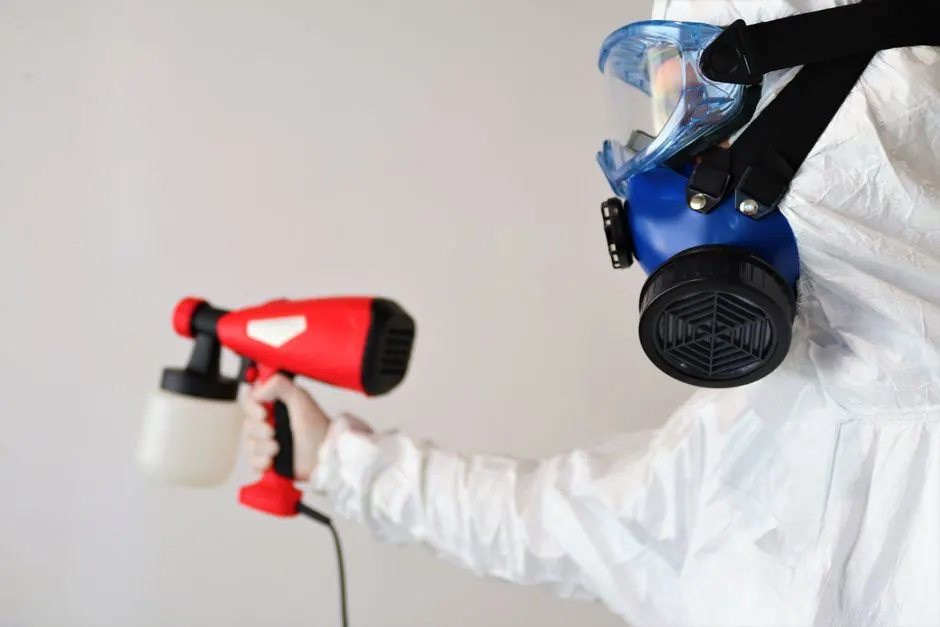
Physical cleaning removes contamination from retained surfaces. Any treatment product must suit the material and its label directions. Spraying or coating does not replace removal, source repair or drying.

Commercial situations

Work boundaries depend on the findings

Leak Behind An Office Wall

What you notice

A wall behind an office sink has a recurring stain, but neighboring desks need access.

What to plan

Assess the affected boundary, pipe repair and work-zone route. Whether nearby desks remain in use depends on containment and site conditions.

Musty Retail Storage Room

What you notice

A back storage room smells musty, and stock blocks the wall where dampness is suspected.

What to plan

Agree on stock handling and investigation access before opening finishes. Odor alone does not locate mold, and cleanup does not automatically include all stored goods.

Ceiling Leak In Shared Offices

What you notice

Several suites have ceiling stains after a roof leak. Tenants use a shared corridor and ventilation system.

What to plan

Review the overhead area, shared pathways and site responsibilities. Tile replacement alone does not address concealed wet material. Phasing needs an agreed building-wide plan.

Problems we solve

Solve Mold In Commercial Buildings

Mold in commercial buildings can affect tenant confidence, daily operations, and repair budgets when a leak remains active. We locate the moisture pathway, control the work area, and remove or clean affected materials in a defined sequence. That gives you a practical response to both visible growth and concealed damage.

Ask a pro →
01

Musty odor persists despite cleaning visible surfaces

We inspect beyond the visible surface, use moisture readings to narrow the search, and open materials only where findings support investigation. Once the source is identified, we contain and clean or remove affected materials, then dry the assembly. You receive findings that explain the odor pathway and the work completed.

↗
02

Roof or plumbing leaks keep wetting occupied rooms

We map visible and concealed moisture, document affected materials, and coordinate the remediation sequence with the necessary leak repair. Containment protects nearby areas while wet or contaminated materials are handled. We then monitor drying before the space moves into reconstruction, reducing the chance of covering damp materials.

↗
03

HVAC operation spreads a persistent musty smell

We review moisture and visible conditions around the affected rooms and system pathways, then define whether the concern is localized or needs further HVAC evaluation. Our team controls confirmed affected areas and coordinates appropriate cleaning or specialist follow-up. You get a specific next step instead of an unsupported claim that the whole system is contaminated.

↗
04

Mold returns after a quick DIY cleanup

We check why the area stayed damp, identify materials that need removal, and clean retained surfaces under controlled conditions. Drying readings guide the closeout rather than appearance alone. Our plan also identifies the repair or moisture-control task that must be completed to reduce recurrence.

↗
Before approving the work

Compare scope, disruption and closeout

✓
Work zones and operating constraintsThe best plan states access restrictions and conditions for phased work.
✓
Full cost and change approvalsAn affordable quote identifies disposal, contents, drying and separate repairs.
✓
Records and acceptance criteriaAgree on documents, verification and who authorizes the next stage.
Good questions

Commercial Mold Remediation Questions

+18017531306

It depends on the affected extent, containment, shared building services and access. We discuss restrictions and whether phased work is practical with your site contact. Keeping an unaffected room open is not guaranteed simply because the cleanup is in another room.

Discuss operating hours, deliveries and restricted areas before the plan is agreed. Phasing and work outside normal operating hours depend on site conditions and scheduling availability. Protection and access requirements still apply to each phase.

Affected materials, concealed damage, containment, access, contents, phasing and drying affect scope. Confirm repairs, verification and documentation separately. Additional work needs approval; there is no single price or fixed schedule for every building.

Confirm the deliverables before work: photographs, affected-area records, moisture observations, completed scope and outstanding repairs. Any independent verification or facility-specific acceptance protocol needs agreement in advance. A work record does not guarantee insurance coverage or regulatory approval.

Ready when you are

Discuss Commercial Mold Remediation in Springville

Call +18017531306 with the property type, affected areas and access requirements. Springville Mold Care will discuss a site review and cleanup scope for your business property in ZIP 84663.

Request Inspection +18017531306 →
Request an appointment

Contact Springville Mold Care

Mention active water, shared building services and any deadline or operating restriction. For 24/7 assistance or a same-day assessment, confirm current availability by phone. Agree on the site contact, appointment and next steps before booking.

Tap to call+18017531306