Musty odor rises through floor gaps after wet weather
Smell alone does not establish mold or prove ground vapor is the cause. We assess the timing and accessible areas. If affected material is found, cleanup needs its own scope.
Wet soil, condensation or damp framing below your floor? We assess the moisture pattern and explain options for water entry, ground cover, drying and humidity control.
Tell us where dampness appears and whether there is a current leak. Call to discuss an assessment and scheduling.
Call Now +18017531306 → No spam. No obligation. Just practical help.
Liquid water, vapor from soil and condensation on cool surfaces need different responses. We review accessible conditions and readings before recommending work. A dehumidifier manages air moisture; it cannot fix a pipe leak or replace drainage repair.
For a home near Main Street or toward Hobble Creek, describe when dampness appears: after rain, snowmelt, irrigation or fixture use. We serve Springville ZIP 84663, including Hobble Creek addresses within that ZIP. The property’s history helps focus the checks.
The agreed scope covers assessment and selected corrective measures. Confirm materials, equipment, drying checks and maintenance in your quote. Plumbing, drainage, electrical work, structural repairs and mold cleanup are separate unless included. A liner patch and complete encapsulation are different scopes.
We review accessible ground cover, plumbing and water pathways. We separate observed conditions from suspected causes and identify obstructed areas. A dry visit does not rule out intermittent entry.
Humidity and material readings give context to the dampness. Location and timing matter. A moisture meter does not detect mold, and one reading does not describe the whole space.
Ground cover reduces soil vapor when properly specified and installed. Seams, edges and penetrations matter. Liquid water and existing contamination need attention before new material conceals them.
If equipment is included, confirm capacity, power, condensate disposal, access for maintenance and operating instructions. Drying and long-term humidity equipment have different roles.
Wet insulation and damaged wood need their own assessment. Moisture control does not clean contamination or restore weakened framing. Connected cleanup and repairs need agreement before new coverings.
Tell us the hatch location, clearance and any known water, sewage, electrical or structural concern. You do not need to crawl underneath to prepare. Site conditions determine what can be assessed.
We review timing and take relevant accessible readings. Photos from wet periods, earlier repairs and irrigation patterns help assess intermittent conditions. Suspected sources needing specialist confirmation are explained.
The plan separates bulk-water repairs, soil-vapor control and humidity management. Agree on who handles each item and in what order. Sealing or ventilation changes must suit the building and its equipment.
We complete the measures included in the scope and review drying. Mold cleanup and wet insulation removal require separate agreement where needed. A new liner should not conceal unresolved contamination.
We explain completed work, follow-up readings and remaining limits. Confirm equipment care and inspection access. Recheck after relevant weather or irrigation when intermittent entry was part of the concern.
Measurements guide a solution matched to the source, with access left for inspection and upkeep.
A hygrometer measures air humidity; a compatible moisture meter checks materials. Readings need timing, location and material context. Neither establishes that a crawl space is mold-free.
Temperature patterns guide closer investigation. They do not identify water or mold by themselves. Confirm the cause through the appropriate observations and measurements.
A camera offers a limited view through agreed access. It cannot inspect every bay or reach material that needs work. Further access and its repair require agreement.
If recommended, equipment must suit the space, drainage and power provision. Confirm filter care, settings and discharge checks. It does not repair a leak or groundwater problem.
Air sealing, conditioning and ventilation choices must fit the building design and equipment. Do not close vents or add exhaust as a universal fix. Confirm any HVAC or combustion-air review needed before alterations.
The liner is torn and soil exposed, but you do not know whether water also enters during storms.
Check ground cover and liquid entry separately. New cover manages soil vapor; it does not repair a recurring water flow.
A pipe is repaired but insulation and nearby wood remain damp.
Review material condition and drying. Stopping new water does not establish that the assembly dried or cleanup is complete.
Dampness follows watering or particular weather, then disappears before a visit.
Share photos and timing. A dry reading does not prove the source is fixed. Review drainage, irrigation and other sources before choosing equipment.
A useful plan identifies the source, responsibilities and ongoing checks. It should be practical to maintain.
Ask a pro →Smell alone does not establish mold or prove ground vapor is the cause. We assess the timing and accessible areas. If affected material is found, cleanup needs its own scope.
Standing water needs source and site assessment before a humidity solution is chosen. Water removal and repairs are agreed separately. A dehumidifier cannot replace active-entry control.
We assess wet insulation and the material it conceals. Removal, cleaning and new insulation are separate tasks. Confirm responsibilities before work begins.
We review accessible plumbing and moisture patterns. Readings do not establish wood strength. Damaged subfloor or framing needs evaluation before covering or retaining it.
No. Ground cover and full encapsulation have different scopes. Confirm surfaces covered, perimeter details, conditioning or humidity equipment and maintenance. Neither automatically resolves a pipe leak or liquid water entry.
It can help manage humidity when correctly selected, drained and maintained. It does not repair leaks, stop groundwater or remove existing mold. The source and affected material need assessment.
Not automatically. Contamination needs separate cleaning or removal, and damaged material can require repair. Confirm those tasks before liner or insulation work conceals the area.
Access, source, ground-cover condition, drying and equipment affect scope. Confirm separate plumbing, drainage or electrical work and equipment maintenance. Agree on follow-up checks; no single package fits every crawl space.
 Residential Mold RemediationIf damp crawl space air has contributed to growth elsewhere in your home, residential remediation addresses affected materials and the moisture conditions behind them. We inspect the impacted rooms, contain the work area when needed, and coordinate source correction with cleaning or removal so contamination is not treated as an isolated stain.Explore →
 Black Mold RemovalDark growth on crawl space wood or nearby drywall needs assessment before treatment. We identify the affected area, determine whether materials can be cleaned, and use controlled remediation practices when removal is required. Moisture correction remains important because the same damp conditions can support renewed growth.Explore →
 Bathroom Mold RemovalBathroom leaks can travel through a floor assembly and appear as dampness below the home. We connect visible bathroom damage with crawl space findings, inspect the path, and address contaminated materials where appropriate. This helps separate a fixture leak from ground moisture or unrelated drainage concerns.Explore →
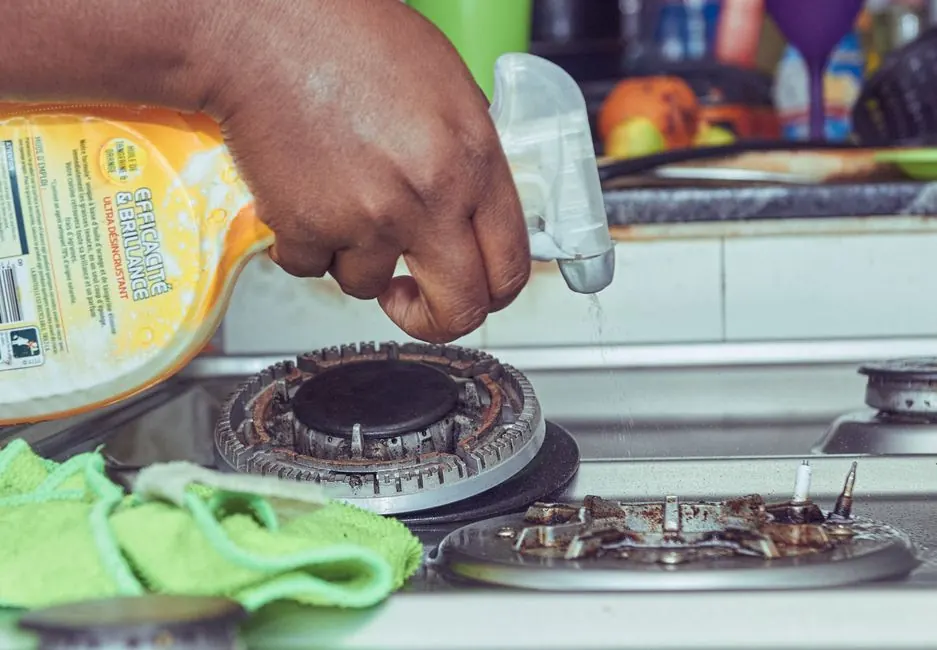 Kitchen Mold RemovalA leaking sink line or dishwasher connection can wet the subfloor and affect the crawl space beneath your kitchen. We inspect both sides of the floor assembly, find the moisture pathway, and recommend appropriate cleanup or material removal. Resolving the leak and the resulting damage helps prevent a recurring odor.Explore →
 Garage Mold RemovalAttached garage moisture can reach adjoining framing or stored materials, while crawl space conditions may contribute to odors along shared areas. We assess where contamination is located and whether moisture is moving between spaces. Cleaning, controlled removal, and source correction are matched to the affected materials.Explore →
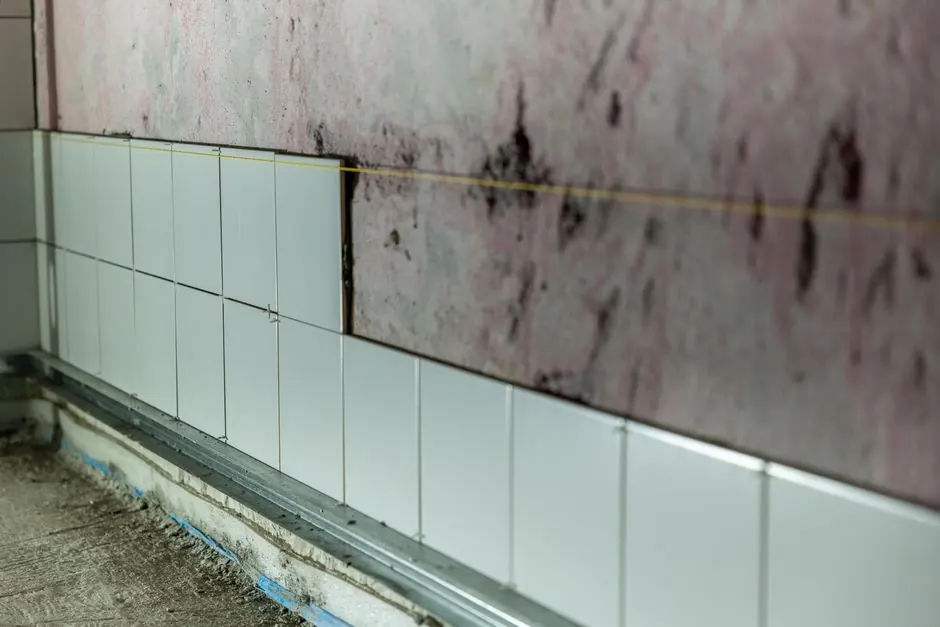 Hidden Wall Mold RemediationMusty odors near baseboards can point to moisture moving from a crawl space into a wall cavity. We investigate with suitable inspection tools, assess the extent of affected materials, and plan contained remediation when needed. Addressing the crawl space source helps keep the wall repair from becoming a repeat job.Explore →
 Ceiling Mold RemovalCeiling staining usually involves a leak or condensation above, and the source may be unrelated to the crawl space. We inspect the building moisture pattern and distinguish roof, plumbing, and indoor humidity issues. If crawl space humidity contributes to broader conditions, we include that finding in the corrective plan.Explore →
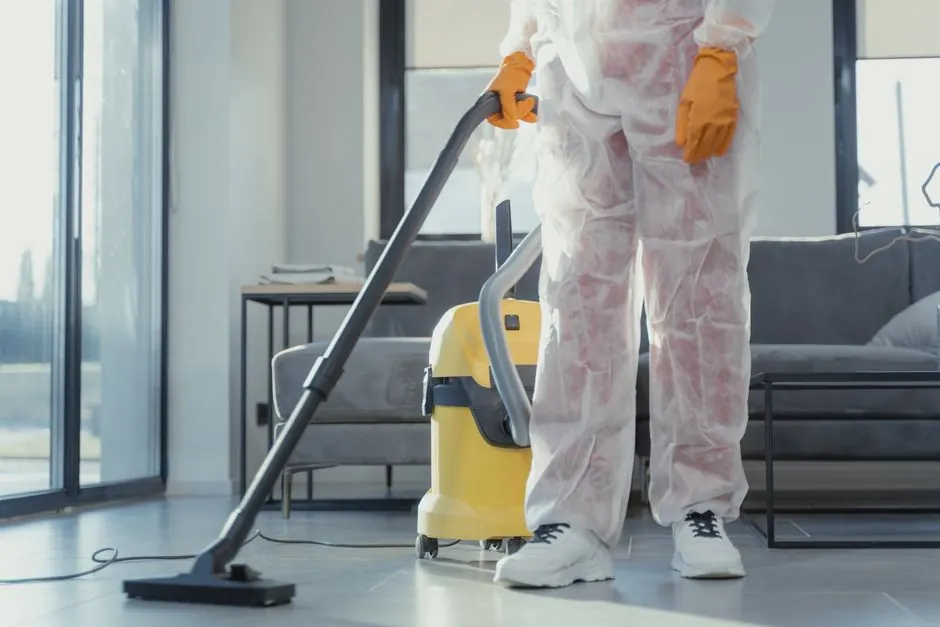 Mold Odor RemovalOdor treatment works best after its source is identified. We inspect for damp soil, wet insulation, or microbial growth before applying appropriate cleaning methods. If the smell rises from the crawl space, moisture-source correction and material treatment address the cause instead of simply masking the odor.Explore →
Call +18017531306 with the hatch location, when dampness appears and earlier repairs. We’ll discuss an assessment for your property in ZIP 84663.
Schedule Inspection +18017531306 →Mention active water, access restrictions and equipment already running. For 24/7 assistance or a same-day visit, confirm current availability by phone. Agree on assessment timing, corrective work and separate trade visits before booking.