Musty odor appears only when heating or cooling starts
Note which mode is running and where the smell is strongest. We inspect the relevant accessible components and nearby materials without treating odor as proof of mold or a whole-system problem.
Musty air when the system starts, damp insulation or growth inside the air handler? We assess accessible HVAC components and define cleanup alongside the repairs needed to keep them dry.
Tell us where the concern appears and whether the system is running. Call to discuss an assessment and access.
Call Now +18017531306 → No spam. No obligation. Just practical help.
A new filter does not address growth on a damp cabinet or water collecting beneath equipment. We review accessible components, nearby materials and the history of the concern before defining the work. Remediation and mechanical repairs have different responsibilities; refrigerant, electrical and equipment servicing need an appropriately qualified HVAC contractor.
For a mechanical closet near Main Street or an attic system toward Hobble Creek, tell us about access, recent leaks and when the odor appears. We serve Springville ZIP 84663, including Hobble Creek addresses within that ZIP. A mark around one vent does not establish contamination throughout the system.
The scope names the equipment and surfaces included, access limits, cleaning or removal decisions and any separate repair work. Duct-network remediation, adjacent wall removal, replacement parts and independent testing are included only when agreed.
We review accessible cabinet, filter-housing, condensate-area and nearby material conditions. Findings guide further access; we do not dismantle sealed components or infer hidden contamination from odor alone.
We plan shutdown, isolation and protection before disturbance. If HVAC contamination is suspected, avoid operating the affected system until a professional has assessed it and established the work plan.
Suitable hard surfaces are physically cleaned using compatible methods. Wet or moldy internal fiberglass insulation requires replacement rather than surface spraying. The scope identifies who performs component replacement.
We explain observed moisture paths and the remaining repair responsibilities. Mechanical correction, drying and a review of completed work come before an agreed return to operation. Cleaning does not establish that a drain or coil fault is repaired.
Tell us when the concern appears, which equipment serves the rooms and what maintenance has already been done. We assess accessible conditions and explain where specialist access or further investigation is needed.
We review evidence around the condensate area, cabinet and surrounding building materials. A mechanical contractor diagnoses equipment faults; a roof or plumbing source needs the relevant repair. An odor by itself does not identify the cause.
Agree on system isolation, protection, access and how occupied rooms will be managed. We establish the affected work boundary before cleaning or removing material. Do not open equipment or disturb suspected growth yourself.
Cleanable surfaces and unsalvageable material receive different treatment. Physical removal is central to the work; any product must be suitable for its intended surface and use. Fogging is not a substitute for cleaning.
Review cleaned areas, remaining dampness and repair completion before the system returns to service. Agree on any independent verification beforehand. We explain the work limits and maintenance handoff rather than promising a fixed completion time.
Tools support the accessible assessment and controlled cleanup; they do not replace mechanical diagnosis.
Readings on nearby building materials help assess wetting and drying. They do not identify mold species or establish conditions inside inaccessible equipment.
A camera helps review reachable spaces where an opening permits. Restricted views are documented; they do not establish the condition of the whole system.
Filtered air cleaning supports appropriate contained work. Placement depends on the work area and does not establish that every room or component is free of contamination.
HEPA vacuuming supports physical cleaning of suitable surfaces. It does not restore moldy porous insulation or repair the source of water.
Temperature patterns help identify areas to inspect more closely. Direct observations and appropriate readings are needed before drawing moisture conclusions.
Any cleaner or treatment must fit the surface, equipment instructions and permitted use. Spraying cannot replace physical removal, drying or replacement of unsuitable material.
Mustiness begins during cooling, and water is visible near the equipment cabinet.
Assess the accessible cabinet and nearby finishes, then coordinate diagnosis of the pan or drain problem. Do not set a restart date before the repair and cleanup requirements are understood.
A return opening is beside a basement plumbing leak and the surrounding wall feels damp.
Check both the building materials and relevant system areas. Cleaning the grille alone leaves the question of the wet assembly unanswered; opening or removal needs a defined scope.
Spotting appears on a ceiling beneath an attic duct route.
Determine whether roof entry, condensation or another source is involved. Contaminated ceiling materials and defective duct insulation require different work. An inspection precedes decisions about removal or replacement.
A useful assessment connects the reported symptom to accessible findings. We explain what is established, what remains unseen and which contractor needs to address each repair.
Ask a pro →Note which mode is running and where the smell is strongest. We inspect the relevant accessible components and nearby materials without treating odor as proof of mold or a whole-system problem.
Report active water promptly. Mold cleanup and mechanical drainage repair are separate tasks, and wet finishes beside the unit need their own assessment.
A recurring mark at a register needs review of the surface and moisture source. It does not automatically justify cleaning every duct or replacing the entire HVAC system.
The filter is only one component. Further assessment looks at relevant accessible equipment and adjacent materials; sampling is considered when it answers a defined question.
We review relevant accessible equipment and nearby materials, then explain access limits and findings. Odor or a dirty vent alone does not confirm system-wide mold. Sampling is considered when it will answer a specific unresolved question.
Mechanical diagnosis, refrigerant work, electrical repairs and replacement components require an appropriately qualified HVAC contractor. The cleanup scope identifies affected surfaces and makes those separate responsibilities clear before work.
Wet or moldy fiberglass insulation inside ducts needs replacement. Surface cleaning or spraying is not an adequate way to restore it. The assessment identifies the material, affected extent and the contractor responsible for replacement.
Access, affected components, material replacement, nearby wet finishes and repair coordination affect the quote and schedule. Confirm testing and restart checks separately. No fixed price or completion time fits every system.
 Residential Mold RemediationIf the HVAC inspection finds growth beyond the equipment, residential remediation addresses affected rooms and materials as part of a broader plan. We can connect duct or air-handler findings with damp drywall, insulation, or framing so you are not treating one surface while leaving the moisture source elsewhere.Explore →
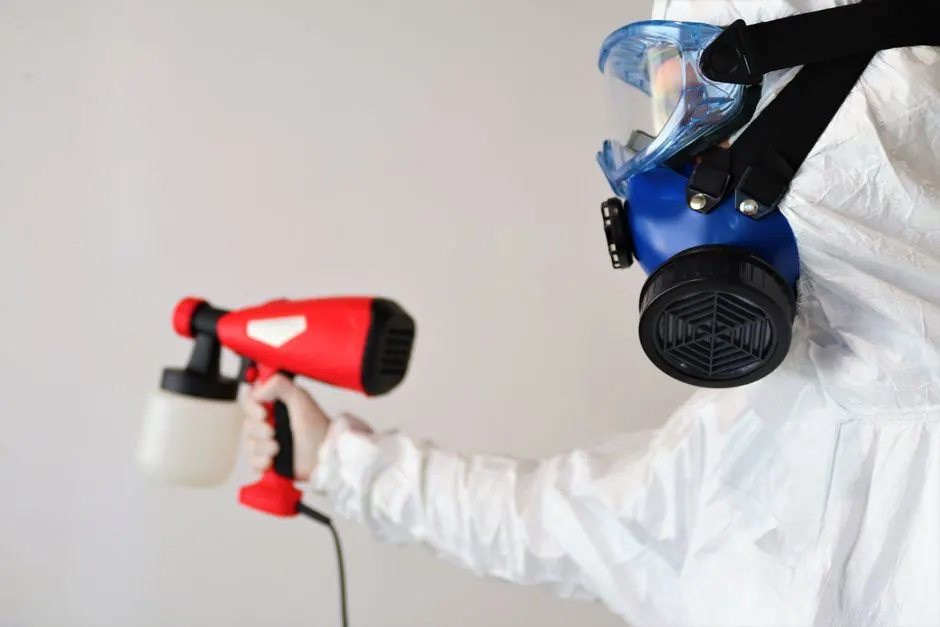 Black Mold RemovalDark growth near a return grille or equipment closet needs identification and careful containment, not color-based assumptions. Our black mold service assesses the affected surface, moisture source, and surrounding materials, then coordinates appropriate removal with HVAC cleaning when contamination crosses between the system and room.Explore →
 Bathroom Mold RemovalBathroom exhaust and nearby HVAC components can be affected by persistent humidity or a plumbing leak. We inspect the room and adjacent materials, remove affected surfaces when needed, and look for moisture pathways that could be contributing to odor at nearby vents or equipment.Explore →
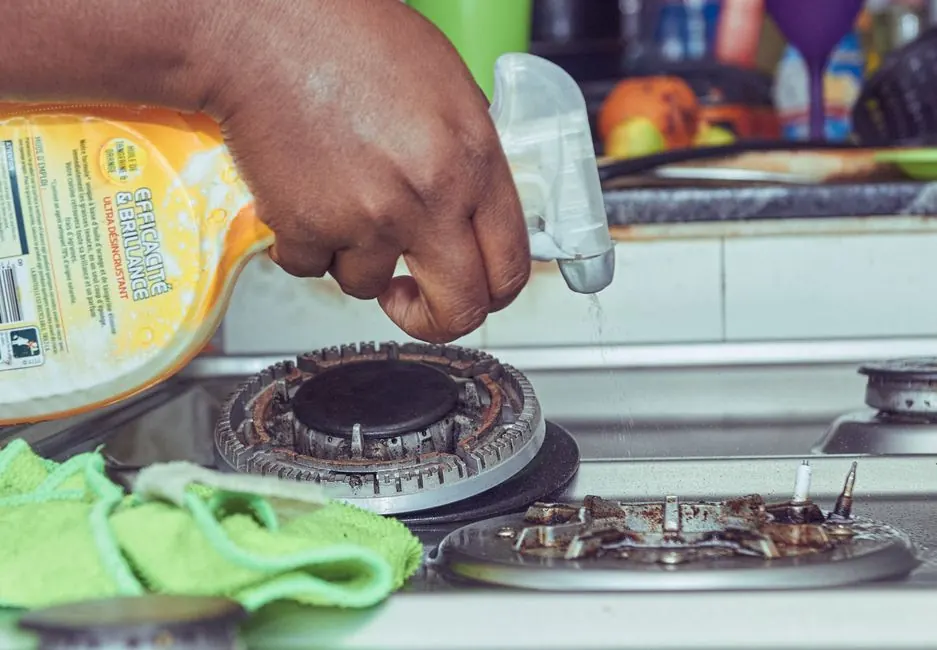 Kitchen Mold RemovalA sink, dishwasher, or refrigerator line leak can wet cabinets and nearby wall cavities, sometimes close to return-air pathways. Kitchen remediation addresses the damaged materials and moisture source while our HVAC inspection checks whether the odor or contamination has reached equipment or duct openings.Explore →
 Garage Mold RemovalAttached garages can transfer damp, musty air through shared walls or HVAC pathways, especially when stored materials or a leak keep the space wet. We assess the garage surfaces and connection to the home, then determine whether the air handler or nearby ductwork needs separate cleaning.Explore →
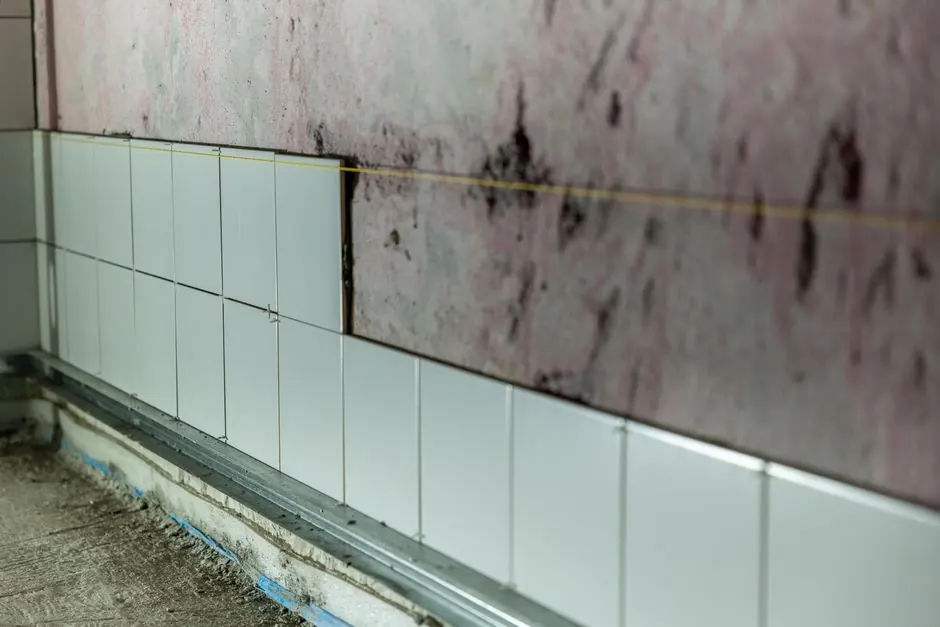 Hidden Wall Mold RemediationA musty odor at a register can come from a wet wall cavity rather than the duct itself. We use inspection findings to locate concealed moisture, identify affected drywall or framing, and coordinate controlled opening and remediation when evidence points behind the wall.Explore →
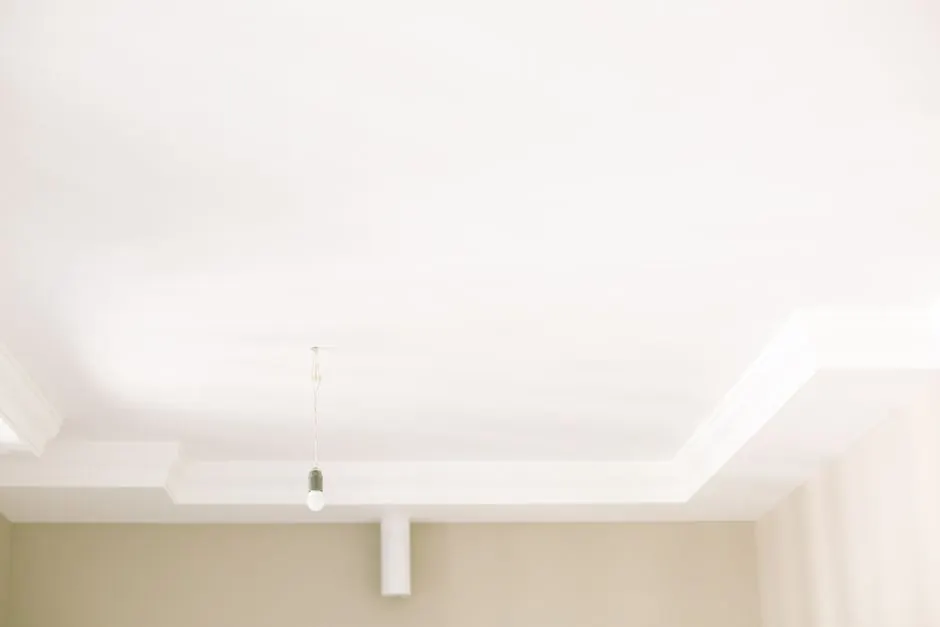 Ceiling Mold RemovalCeiling stains beneath attic ductwork or a roof leak can signal moisture near HVAC runs. We inspect the stain, surrounding materials, and equipment route, then remove contaminated ceiling materials where necessary and address the source before the repaired area is closed.Explore →
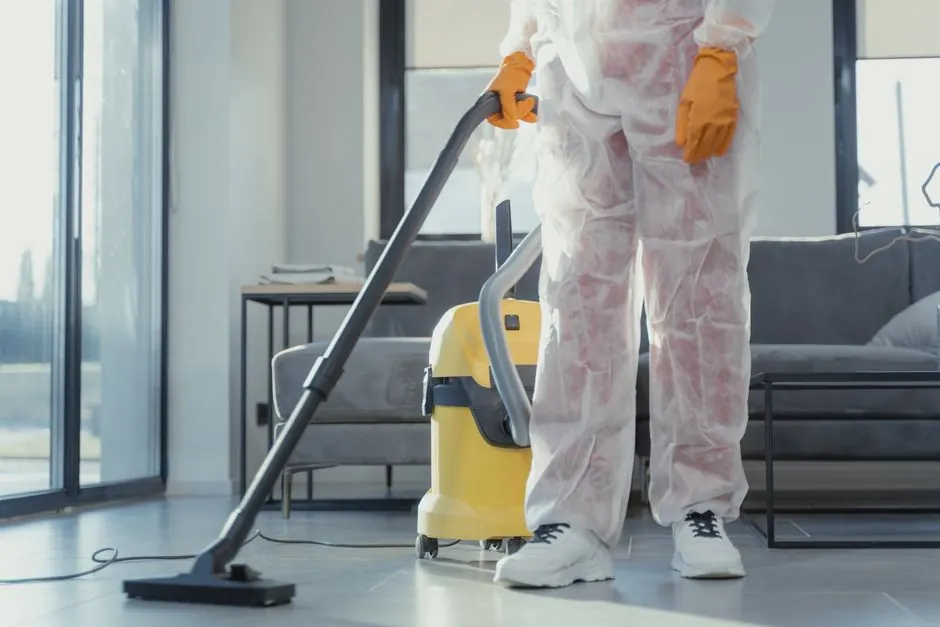 Mold Odor RemovalPersistent musty odor may come from a wet drain pan, contaminated insulation, a wall cavity, or a damp return area. We trace the odor instead of masking it, then clean or remove affected materials and recommend drying or repairs that prevent the smell from returning.Explore →
For an affordable comparison, ask for a scoped quote that separates cleanup, replacement parts and mechanical repairs. Need same-day help or a 24/7 response? Call +18017531306 to confirm current availability before planning around it.
Schedule Inspection +18017531306 →Tell us the equipment location, what you have noticed and any recent leak or service history. Call +18017531306 to discuss an assessment within Springville ZIP 84663.