Persistent musty odor remains after carpet feels dry.
Investigate the source of the smell and accessible material conditions. Removal is recommended when findings support it; odor alone does not establish mold throughout the room.
Musty carpet or growth after a leak? We assess affected carpet and padding, plan controlled removal and check the exposed floor before you replace the covering.
Tell us which rooms are affected, what wet the carpet and whether furniture blocks access. Call to discuss an assessment.
Call Now +18017531306 → No spam. No obligation. Just practical help.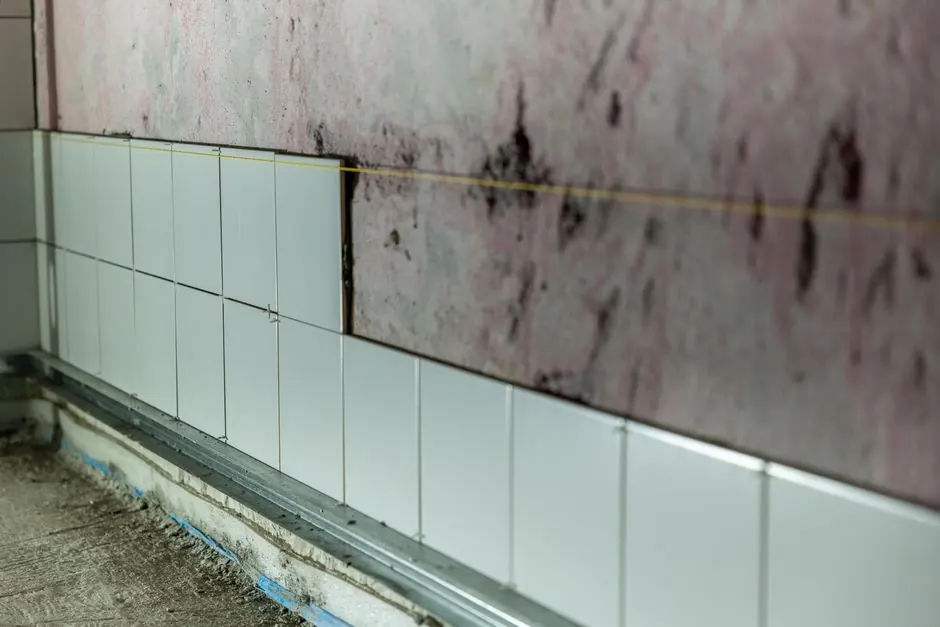
The top of a carpet can feel dry while padding or the floor beneath remains damp. We review the wetting history, material condition and accessible edges before agreeing on removal. A stain or smell does not by itself establish mold, and a recently wet carpet is a different situation from one with established contamination.
For a basement near Main Street or a rental toward Hobble Creek, tell us about stairs, room access and earlier leak repairs. We serve Springville ZIP 84663, including Hobble Creek addresses within that ZIP. The exposed floor can be concrete, wood or another assembly; the cleanup and drying plan follows what is actually there.
The quote identifies carpet, affected padding, protected routes, handling and cleanup. Confirm tack strips, baseboards, furniture moving and subfloor work separately. New flooring, source repairs and independent verification are included only when agreed.
We review affected rooms, adjoining transitions and accessible edges with the water history. Tell us if the source involved sewage or unknown floodwater; that requires a different assessment and work plan from a clean-water leak.
We plan room restrictions, protection and contained handling before lifting material. Carpet is not shaken or dragged through clean rooms. Hallways, stairs and shared rental routes need to be considered.
Affected padding is assessed with the carpet rather than ignored beneath it. The agreed scope identifies what is removed and how it is contained for handling and disposal.
We review accessible flooring and perimeter conditions after removal, including tack strips, baseboards and adjoining materials. Staining alone does not establish structural damage; soft or deteriorated wood needs further assessment.
Continuing seepage, a plumbing leak or another source needs correction before new flooring. We explain any remaining dampness and repair needs. Removal alone does not make the substrate ready for an installer.
Describe the source, how long materials stayed wet and what cleaning has already been attempted. We assess access, furniture, room boundaries and relevant nearby finishes before setting the removal scope.
Agree on protection, entry and the route for contained debris. Tell us about essential walkways, tenants and pets. Do not pull up suspect carpet or blow air across it before the work plan is established.
Remove agreed affected carpet and padding with controlled handling. Newly exposed findings are reviewed before additional material is removed. Tack strips and baseboards need explicit decisions rather than being assumed included.
Assess the actual substrate and perimeter after removal. Concrete, plywood and other assemblies need different review. Further cleaning, drying or panel repair is explained and authorized as part of the applicable scope.
Review completed work and remaining source, substrate or installation requirements. New flooring is a separate stage unless included. Agree on any verification and who confirms readiness before ordering installation.
Assessment and removal tools support the material-specific plan and protected handling.
Appropriate readings help review accessible wood and adjacent building materials. Different substrates require suitable methods; one reading does not prove the whole floor is dry.
Filtered air cleaning supports appropriate contained work. It does not restore contaminated carpet or remove moisture from hidden padding.
Temperature differences help focus inspection. They need direct checks before being interpreted as moisture and do not identify mold.
HEPA vacuuming supports cleanup of suitable accessible surfaces after removal. It does not make unsuitable padding or carpet reusable.
Drying equipment is selected when the exposed area needs moisture reduction. Material conditions and the next flooring system guide readiness rather than a fixed run time.
Carpet beside a bedroom wall looks dry, but a smell remains after a supply-line leak.
Review padding, the perimeter and the exposed substrate where removal is warranted. Check whether adjacent wall material also needs attention rather than assuming carpet is the only issue.
Basement carpet smells musty after water entry near an exterior wall.
Assess the water-entry path and flooring layers. A concrete slab and a raised wood floor require different follow-up; removal does not replace seepage repair.
An overflow has crossed a doorway into a carpeted rental room.
Establish the water source and affected layers before choosing handling and removal. The property contact authorizes work, access and any additional drying before turnover is scheduled.
Carpet removal helps expose the layers that surface cleaning cannot show. We connect the removal boundary to findings and explain what needs assessment beyond that boundary.
Ask a pro →Investigate the source of the smell and accessible material conditions. Removal is recommended when findings support it; odor alone does not establish mold throughout the room.
Assess the carpet backing, pad and nearby finishes. Color does not identify mold species, and a mark along one edge does not define the entire affected area.
Address the moisture entry as well as unsuitable flooring. We explain the substrate conditions and any further cleaning, drying or repair needed before installation.
Review the transition and connected flooring layers rather than assuming water stopped at the doorway. The agreed scope identifies the affected rooms and who approves changes.
Carpet that cannot be restored needs removal after assessment of its condition and the wetting history. Padding and backing need consideration too. A smell or old stain alone does not establish contamination, and recently wet clean-water carpet is assessed differently from established mold damage.
The scope identifies affected padding with the carpet. Tack strips, baseboards and furniture moving need explicit inclusion or separate agreement. After lifting the covering, we review newly exposed conditions before extending the work.
Yes. We review the accessible substrate and perimeter for remaining dampness, visible growth and damage. Further cleaning, drying or repair depends on whether the floor is concrete, wood or another assembly. New flooring has separate installation requirements.
Room size, affected layers, stairs, furniture, protection, disposal and exposed-floor conditions affect the quote and schedule. Source repairs, drying, independent verification and new flooring add separate work where needed. Assessment comes before a completion estimate.
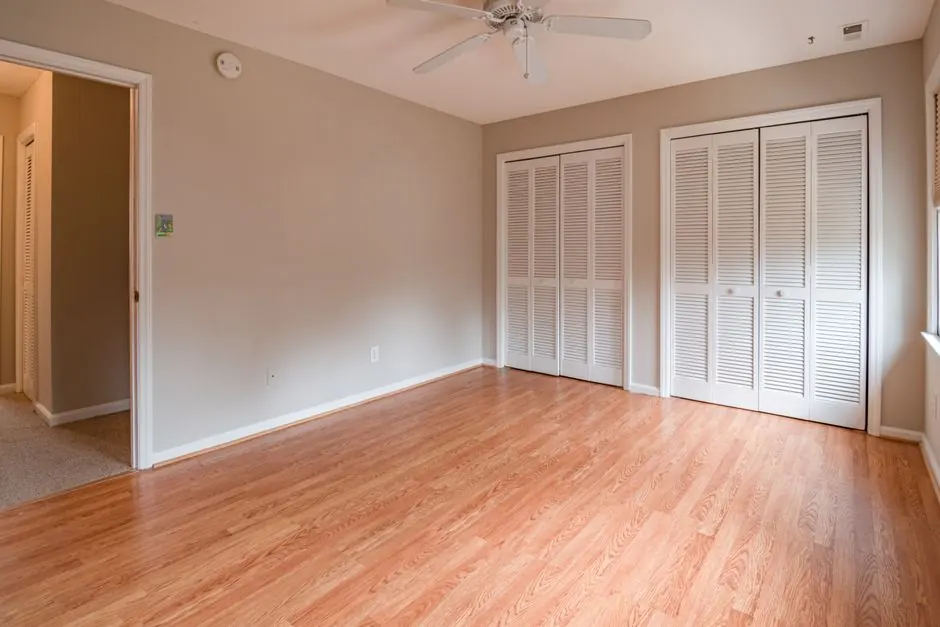 Residential Mold RemediationResidential Mold Remediation addresses mold affecting more than carpet, such as nearby drywall, framing, or contents. In Springville, we can coordinate the flooring removal with a broader room plan when inspection shows the moisture traveled beyond the carpet footprint.Explore →
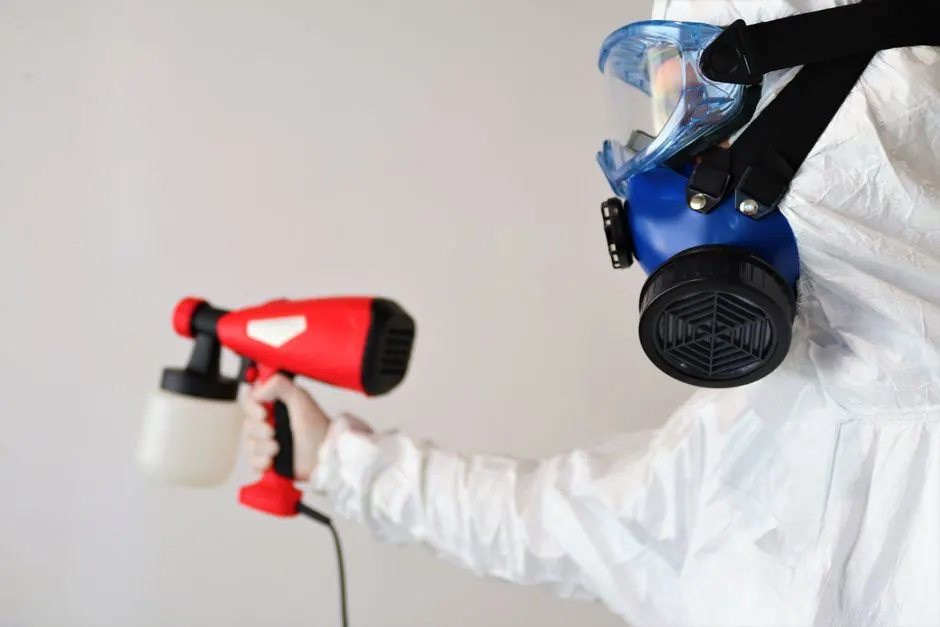 Black Mold RemovalBlack Mold Removal focuses on visible dark growth on building materials, including growth near a carpet edge or baseboard. We assess the material and moisture source before selecting removal steps, so Springville homeowners know whether the issue is limited to flooring.Explore →
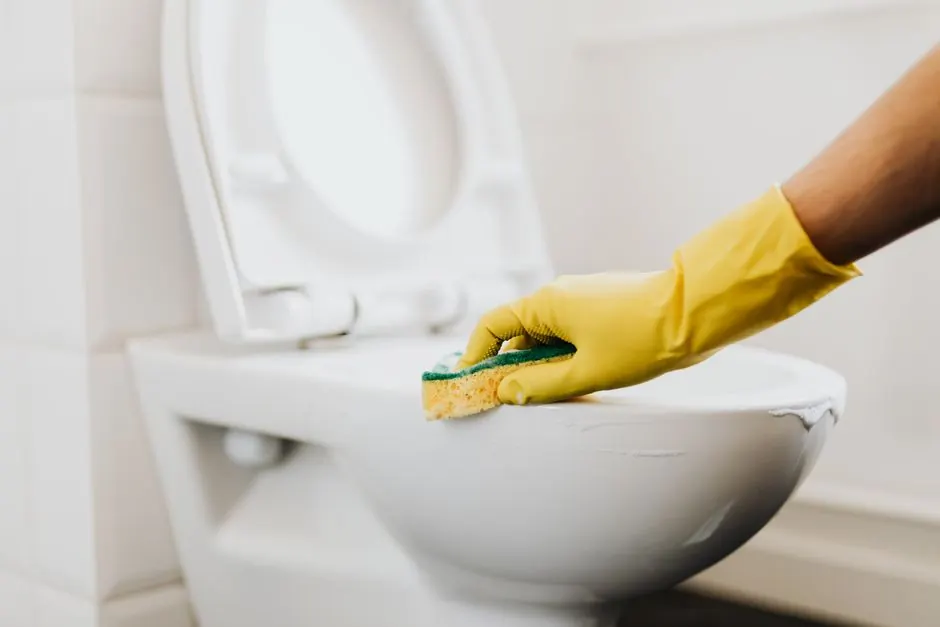 Bathroom Mold RemovalBathroom Mold Removal can address growth caused by leaks, splash water, or failed seals that have spread into an adjacent carpeted room. We inspect the transition and nearby wall base, then coordinate affected flooring removal with the bathroom remediation plan.Explore →
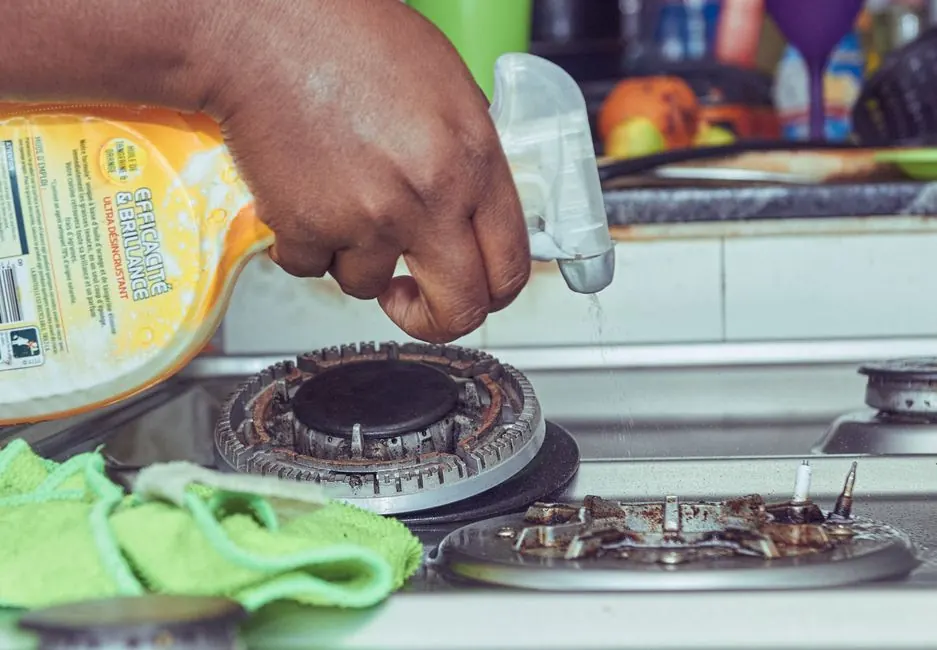 Kitchen Mold RemovalKitchen Mold Removal is relevant after a dishwasher, refrigerator line, or sink leak reaches nearby flooring. If water has traveled beneath carpet in an adjoining Springville room, we remove affected materials and check the exposed floor for moisture.Explore →
 Garage Mold RemovalGarage Mold Removal addresses damp stored materials and growth where water enters or humidity remains high. When carpeted rooms share a wall with a garage, we check whether the moisture path has reached the carpet edge, baseboard, or subfloor.Explore →Hidden Wall Mold RemediationHidden Wall Mold Remediation is appropriate when carpet damage meets a wall with a musty odor, staining, or elevated moisture readings. We investigate the wall boundary before assuming flooring is the only affected material, helping Springville owners avoid leaving a concealed source.Explore →
 Ceiling Mold RemovalCeiling Mold Removal addresses leaks from above that can travel down wall cavities and reach carpet. If a ceiling or plumbing leak has affected a room, we coordinate carpet removal with the moisture assessment so the leak source and damaged materials are treated together.Explore →
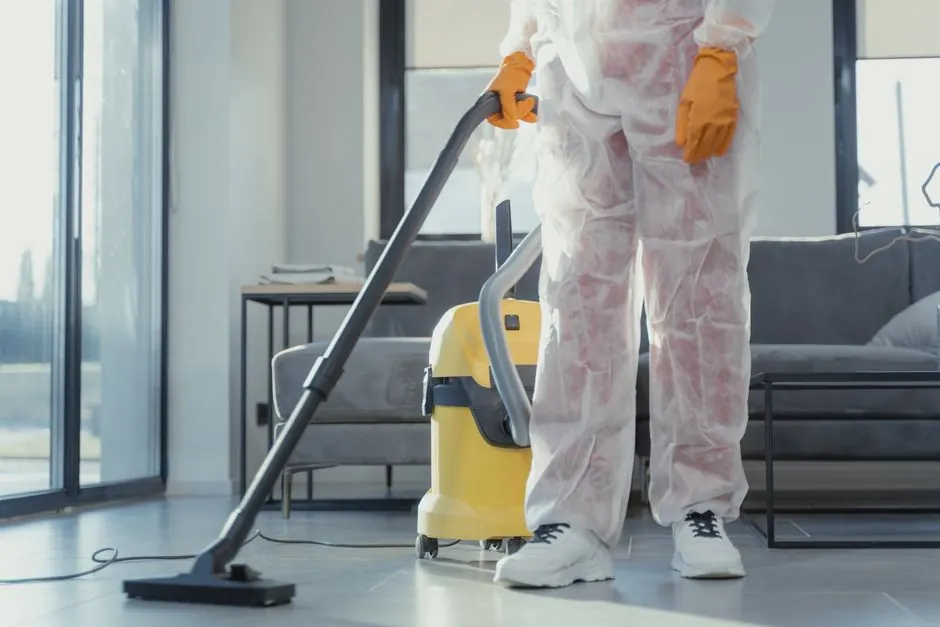 Mold Odor RemovalMold Odor Removal targets persistent musty smells after damp carpet and padding are removed. We look for remaining moisture or affected materials first; an odor treatment alone cannot correct a wet subfloor or hidden growth.Explore →
For an affordable comparison, ask what carpet, padding, disposal, furniture moving and substrate work are included. Need same-day assessment or 24/7 help? Call +18017531306 to confirm current availability.
Call for Service +18017531306 →Tell us the water source, affected rooms, access and furniture concerns. Call +18017531306 to discuss carpet removal in Springville ZIP 84663.