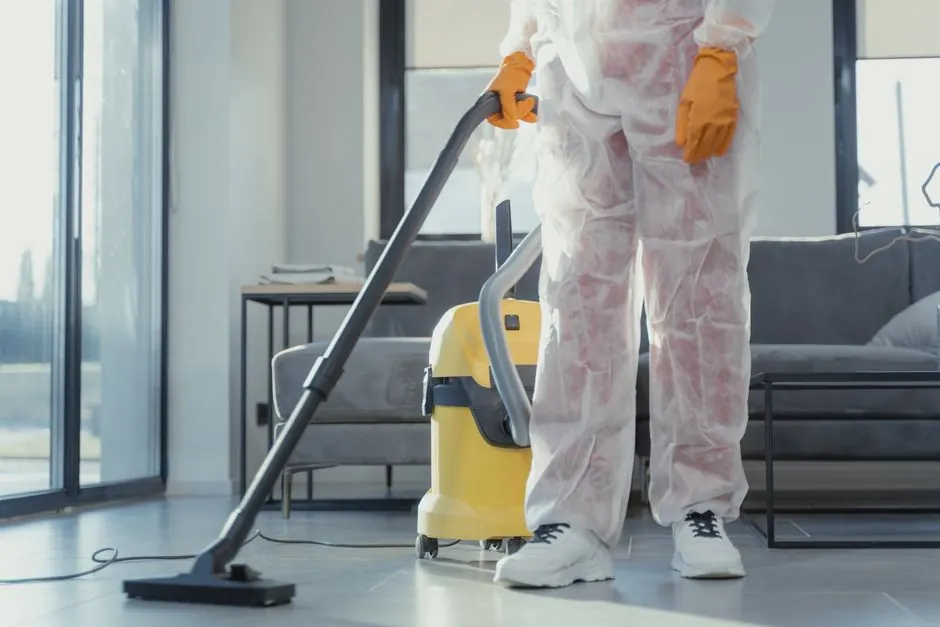
Controlled drywall removal with a clear repair handoff

Mold-Contaminated Drywall Removal in Springville, UT

Soft wallboard, returning stains or mold after a leak? We assess affected drywall, plan controlled removal and explain what the opened area needs before repair.

↗
Start with the affected wall

Request a drywall assessment

Tell us where the damaged board is, whether water is still entering and which rooms are affected. Call to discuss the next step.

Call Now +18017531306 → No spam. No obligation. Just practical help.
Mold Remediation for Springville homes
Careful work. Honest options.
About this service

Understand what is behind the damaged finish

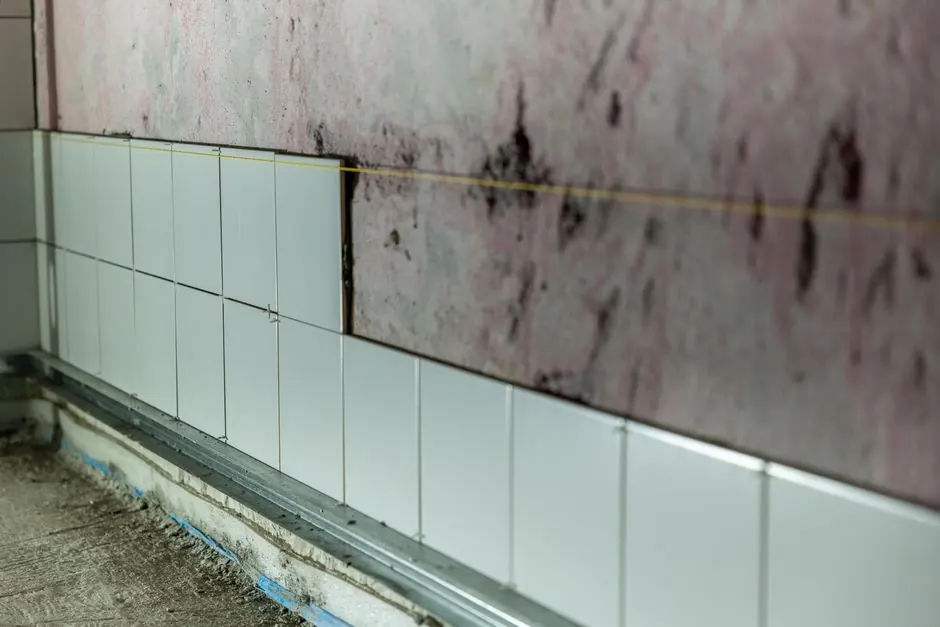
A stain shows where water became visible, but it does not show the condition of the back of the board, insulation or framing. We review accessible evidence before agreeing on an opening. When porous drywall cannot be restored, removal gives access for further assessment and cleanup; painting over the finish does not resolve a wet cavity.

For a bathroom near Main Street or a finished basement toward Hobble Creek, share the leak history and any previous patching. We serve Springville ZIP 84663, including Hobble Creek addresses within that ZIP. The removal boundary follows findings and access needs, rather than the visible mark alone.

  • ✓ Containment Before Cutting
  • ✓ Source-Focused Removal
  • ✓ Less Unnecessary Demolition
  • ✓ Repair-Ready Wall Cavity
What's included

What Drywall Removal Includes

The agreed scope identifies the opening, protection, board removal, debris handling and cleanup. Exposed insulation, framing, drying, independent testing and reconstruction need clear inclusion or separate authorization. Plumbing and roof repairs remain distinct from drywall removal.

✓

Affected Area Review

We review staining, soft areas, maintenance history and accessible moisture patterns. Readings help guide investigation but do not identify mold or establish the entire concealed condition. We explain any proposed opening before proceeding.

✓

Work Zone Protection

We plan containment, protected routes and belongings handling before cutting. Room restrictions depend on layout and the work. Tell us if the affected space is the only bathroom, a bedroom or a route needed by residents.

✓

Controlled Board Removal

Unsuitable affected board is removed within the agreed boundary, with debris contained for removal. Newly exposed damage is reviewed before extending the work. Wiring, plumbing and other concealed services need to be accounted for.

✓

Cavity Cleaning and Drying

The opening allows review of the board backing, insulation and accessible retained surfaces. Cleaning and drying follow the agreed material scope. Structural deterioration needs qualified assessment; cleaning alone does not establish wood strength.

✓

Repair Readiness Review

We explain completed removal, accessible findings and the work still required. Source correction, cleanup and drying need review before closure. Replacement board, texture and paint are separate reconstruction tasks unless specifically included.

How it works

What Happens During Removal

01

Inspect and Map

Discuss the leak, earlier repairs and affected rooms. We review accessible wall and adjoining material conditions, then agree on targeted access. A camera view is limited to what it can actually see inside the cavity.

02

Set Containment

Plan the work-zone boundary, entry and debris route before disturbance. Move or protect belongings as agreed and keep people and pets away from the work area. Whether other rooms stay usable depends on the plan.

03

Remove Affected Board

Remove affected board with controlled handling and bagging. The opening is adjusted only when findings and authorization support it. Concealed damage, utilities or unsuitable material can change the work sequence.

04

Clean and Dry

Review exposed surfaces and clean the retained material included in the scope. Drying is guided by material conditions and readings. If framing or insulation needs additional work, resolve that decision before covering the opening.

05

Review the Cavity

Review completed work, access limits and remaining repairs with the responsible contact. Confirm any independent verification, source repair and reconstruction requirements. A wall opening is not ready to close just because its surface looks dry.

Tools & methods

Tools and Removal Methods

Tools support assessment, controlled removal and cleanup. Their selection follows the opening and affected materials.

Moisture meter

Readings help compare accessible affected and nearby materials and track drying. They do not identify mold species or reveal every concealed water path.

Borescope inspection camera

A limited opening provides a view of reachable cavity surfaces. Obstructions and concealed layers remain limitations; further access requires agreement.

HEPA air scrubber

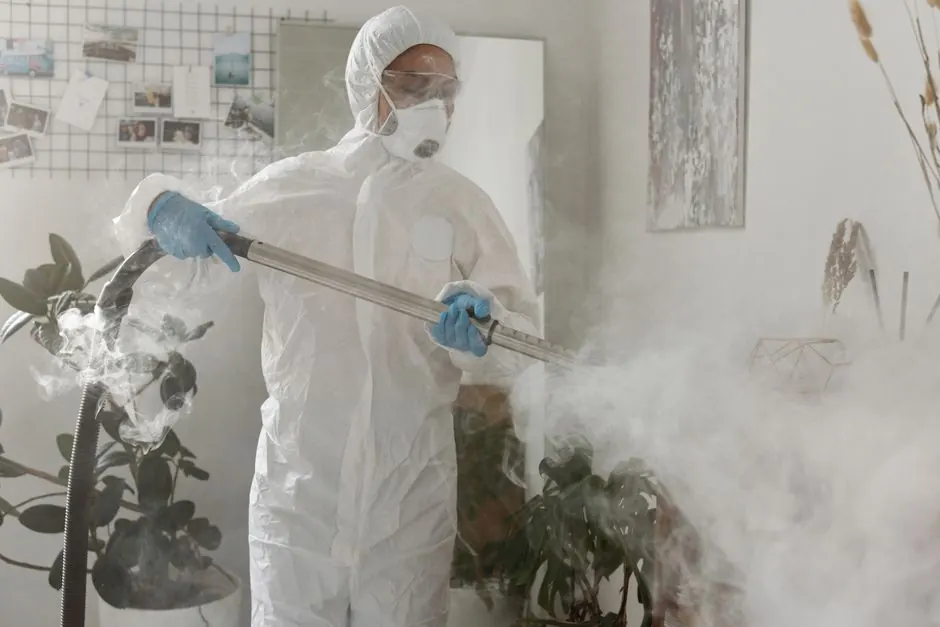
Filtered air cleaning supports appropriate contained work. It does not remove growth from board or establish that a hidden cavity is clean.

Negative air machine

Airflow control supports containment where required by the project setup. It works alongside protected routes and controlled debris handling.

Commercial dehumidifier

Drying equipment supports moisture reduction after the source is addressed. Material readings and conditions guide progress rather than a fixed run time.

HEPA vacuum

HEPA vacuuming is part of cleaning suitable accessible surfaces and the work zone. It cannot make unsalvageable drywall suitable to reinstall.

Drywall situations

What needs attention before patching

Bathroom Leak Behind Painted Board

Reported concern

A tub-side wall feels soft near the baseboard and the stain returns after wiping.

What to assess

Review the source and board condition before defining an opening. The backing, insulation and framing remain unknown until accessible; new findings can change the removal and repair scope.

Basement Wall With Hidden Dampness

Reported concern

A finished basement wall has discoloration at floor level and a musty smell.

What to assess

Assess the wall together with adjacent flooring and the possible moisture path. Do not assume repainting or removing only the baseboard resolves damage behind the finish.

Ceiling Damage After Roof Entry

Reported concern

A bedroom ceiling stains or sags after water entry from above.

What to assess

Keep people away from sagging material and arrange assessment. The ceiling, insulation and source repair need coordinated work; the visible stain alone does not define the removal boundary.

Problems we solve

Problems Solved by Removing Damaged Drywall

The goal is a defined opening and a clear plan for what remains. We explain when board removal is warranted, what the cavity reveals and which repair decisions follow.

Ask a pro →
01

A recurring wall stain returns after repeated surface cleaning.

Review moisture history and material condition before repeating surface treatment. A targeted opening is considered when findings support it, with the extent and purpose explained beforehand.

↗
02

Musty odor persists even though no mold is visible.

Odor alone does not prove mold or justify taking down every wall. We investigate likely sources and discuss any additional access needed to answer the question.

↗
03

A leak has left soft drywall and wet insulation.

Assess the board, insulation and retained framing together. Separate removal, source repair, drying and rebuilding responsibilities so the opening is not covered before remaining work is addressed.

↗
04

Mold returns after a DIY wipe-down in the same spot.

Repeated wiping does not restore damaged porous board or stop a leak. We assess whether removal is needed and explain how the surrounding materials affect the scope.

↗
Proof you can check

Choose the best removal scope before rebuilding

✓
Agreed opening and limitsKnow why the board needs opening and what stays unseen.
✓
Protected rooms and routesPlan belongings, access and debris handling before cutting.
✓
Approval for newly exposed damageUnderstand how additions to the work are reviewed.
✓
Clear reconstruction handoffSeparate cleanup, drying, source repair and finish work.
Good questions

Drywall Removal Questions, Answered

+18017531306

Removal is appropriate when affected porous board cannot be restored or has lost its integrity. Assessment considers the board condition, moisture history and relevant concealed areas. A stain or odor alone does not determine how much wall needs to come down.

The work plan defines protection, containment, access and debris handling before disturbance. Appropriate particle controls support removal and cleanup. Room restrictions depend on the affected extent and layout; discuss essential rooms and resident needs before work.

Replacement is a separate reconstruction stage unless included in the agreed scope. Confirm insulation, new board, taping, texture and painting responsibilities. Source repairs, cleanup, drying and any agreed verification need review before the opening is closed.

Affected extent, ceiling or wall access, protection, debris handling and exposed cavity conditions affect cost. Ask whether insulation removal, framing cleaning, drying, testing and finish repairs are included. Unexpected concealed damage is reviewed before additional work is authorized.

Ready when you are

Discuss mold-damaged drywall removal

For an affordable comparison, request a quote that separates removal, cavity cleanup, drying and finish repairs. Need same-day help or a 24/7 response? Call +18017531306 to confirm current availability and discuss the affected area.

Call Our Team +18017531306 →
Request an appointment

Contact Springville Mold Care

Tell us which wall or ceiling is affected, any active water entry and whether the room is essential for daily use. Call +18017531306 to discuss an assessment in Springville ZIP 84663.

Tap to call+18017531306