Musty odor persists after a plumbing leak was repaired
Check accessible cavity conditions and the history of wetting. An odor can warrant investigation but does not alone prove every insulation bay needs removal.
Wet, musty or mold-affected insulation after a leak? We assess the material, plan controlled removal and check what the exposed area needs before replacement.
Tell us whether the insulation is in an attic, wall or crawl space and how the area is reached. Call to discuss an assessment.
Call Now +18017531306 → No spam. No obligation. Just practical help.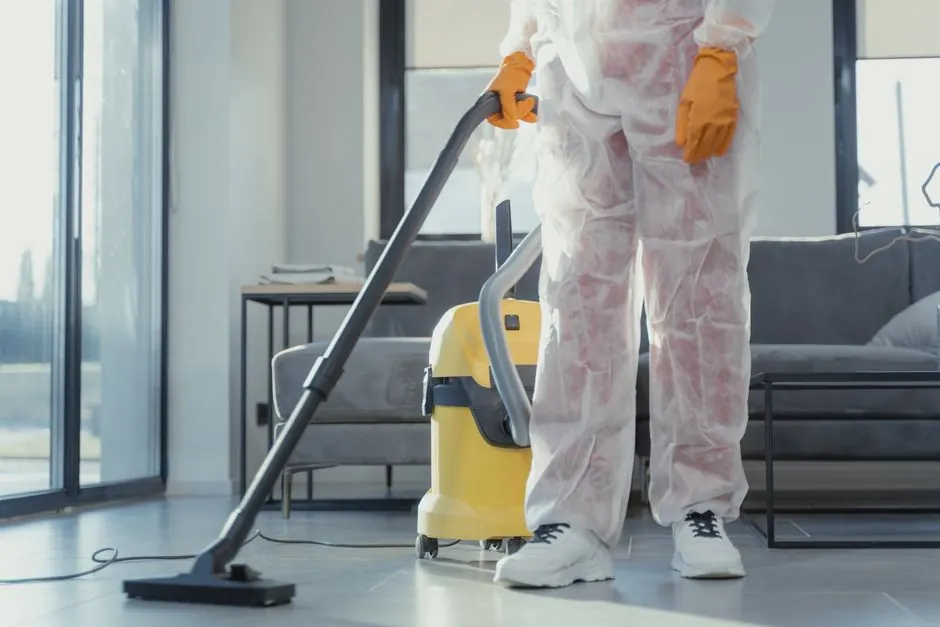
Insulation can hide wet backing, framing or debris after the visible leak has stopped. We assess the material and accessible surroundings before defining what needs removal. The plan accounts for batts or loose fill, the depth and extent involved, and the route for contained waste handling. Sound material outside the affected area is assessed separately.
For an attic near Main Street or a crawl space toward Hobble Creek, tell us about hatch size, low clearance and prior repairs. We serve Springville ZIP 84663, including Hobble Creek addresses within that ZIP. Removing insulation creates access for cleanup and repair decisions; it does not by itself fix a roof, plumbing or condensation problem.
The scope names the affected insulation, access, protection, removal and work-zone cleanup. Exposed wood cleaning, drying, opening finishes, new insulation and reconstruction need clear inclusion or separate authorization. We explain those boundaries before removal.
We review the material type, reported wetting and accessible adjacent surfaces. Odor alone does not establish contamination throughout an attic. Restricted views and concealed layers are explained before further access.
We plan the hatch or room entry, belongings protection and waste route. Airborne-particle controls follow the work area. Tell us about bedrooms, shared routes and occupied spaces beneath the opening.
Affected material is removed using handling suited to its type and location. Loose fill and batts require different access and collection arrangements. Any newly exposed issue is reviewed before extending the work.
Removal exposes surfaces for further assessment. We clean accessible areas within the scope and explain whether framing, sheathing or drywall requires additional work. Removal alone is not whole-cavity remediation.
We review remaining dampness and source repairs before replacement. Insulation installation, air sealing, ventilation changes and finish repairs have separate responsibilities unless included in the quote.
Tell us where the insulation is, what wet it and whether repairs are complete. We review accessible conditions and agree on the work boundary. Material identity or restricted access can require additional assessment before disturbance.
Plan entry, protected surfaces, room restrictions and debris handling. Attic hatches and crawl-space access need adequate working room; do not move suspect material through occupied rooms yourself.
Remove the agreed affected insulation with controlled handling. Review newly exposed conditions before proceeding further. Unknown or unusual insulation needs identification and an appropriate work plan rather than being treated automatically as ordinary fiberglass.
Assess exposed backing and framing. Cleaning and drying follow the agreed scope and material condition. Spraying over affected insulation is not a substitute for removal where the material cannot be restored.
Review completed removal, remaining repairs and replacement readiness. Agree on any independent verification before closing the cavity or reinstalling insulation. The schedule depends on access, extent and drying rather than a fixed number of hours.
Equipment supports assessment and contained removal. The material, depth and access determine the method.
Readings on accessible framing and sheathing help track wetting and drying. They do not identify mold or establish conditions behind every concealed layer.
Temperature patterns guide closer inspection. Direct observations and appropriate readings are needed before attributing a pattern to moisture.
Filtered air cleaning supports the contained work area where appropriate. It does not clean contaminated insulation in place.
A camera helps review reachable cavity surfaces through an agreed opening. Its limited view does not establish conditions throughout the assembly.
Drying equipment supports moisture reduction when needed. The source and exposed materials determine the drying plan and readiness for repair.
A ceiling stain follows a roof leak and insulation near the eaves is damp.
Review the accessible roof-side materials and the wetting path. Confirm roof repair, affected insulation removal and exposed-surface cleanup before replacement is planned.
A laundry supply leak has stopped, but insulation behind the repaired wall is still damp.
Agree on targeted access and review the backing, framing and insulation. A plumbing repair does not establish that the wall cavity has dried.
Insulation is sagging beneath a floor and the crawl space smells damp.
Sagging alone does not identify mold. Assess the material and moisture conditions, with crawl-space access and source-control work considered before removal or reinstallation.
A useful plan explains which insulation is affected, what is exposed by removal and what must happen before new material goes in. We keep removal decisions tied to findings rather than an automatic full-space replacement.
Ask a pro →Check accessible cavity conditions and the history of wetting. An odor can warrant investigation but does not alone prove every insulation bay needs removal.
Assess the affected insulation and adjacent sheathing or framing. Roof repair and any retained-surface cleanup need separate responsibilities before replacement.
Review material condition, access and the moisture source. Refastening sagging insulation does not answer whether the surrounding materials remain wet.
We explain the purpose and limits of targeted access before opening finishes. The newly exposed condition guides any further removal and approval.
Insulation that cannot be restored needs removal. Spraying the surface does not address contamination within unsuitable porous material. We assess the type, condition and extent before defining removal; sound nearby insulation is a separate decision.
No automatic whole-attic or whole-wall rule fits every leak. Assessment considers material condition, affected layers, wetting history and access. Newly exposed findings can change the boundary, with additional work reviewed before authorization.
New insulation is a separate installation stage unless expressly included. Confirm source repairs, exposed-surface cleanup, drying and any agreed verification first. Air sealing, ventilation changes and drywall repairs need their own scope and responsible contractor.
Material type, depth, affected extent, hatch or crawl-space access, protection and cleanup affect the quote. Opening finishes, drying, testing and replacement add separate work when needed. An assessment is needed before setting the schedule.
 Residential Mold RemediationWhen insulation removal reveals mold on framing, drywall, or other surfaces, residential remediation addresses the connected materials. We contain the work area, clean or remove affected building components as appropriate, and check the moisture source before repairs. This helps Springville homeowners handle the full affected zone rather than only the insulation.Explore →
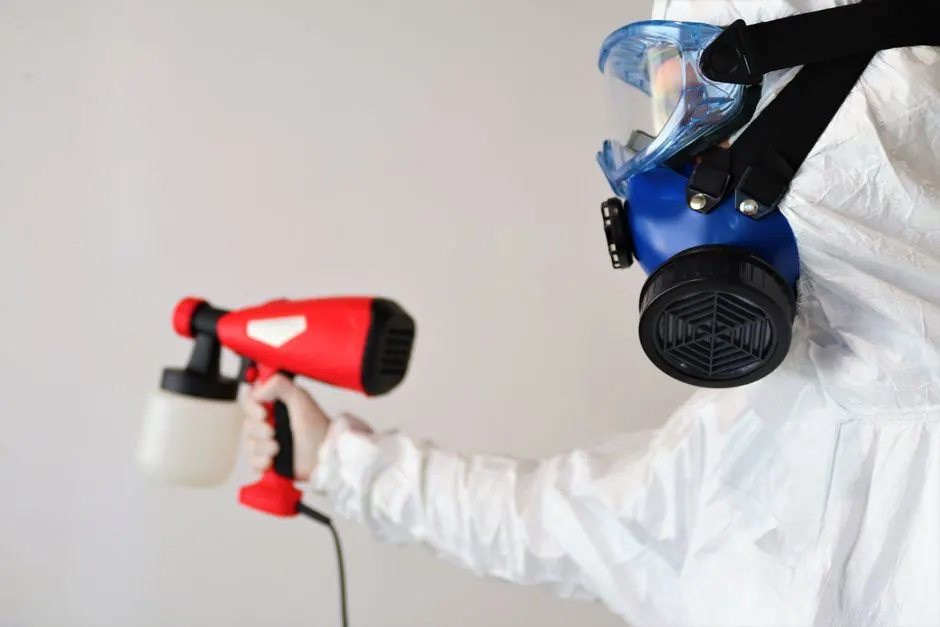 Black Mold RemovalDark growth on drywall or framing needs careful assessment; color alone does not identify mold type. We isolate the area, determine whether insulation is affected behind the surface, and remove contaminated porous material where needed. Springville customers get a plan based on the material and moisture conditions, not visual assumptions.Explore →
 Bathroom Mold RemovalA bathroom fan failure, plumbing leak, or repeated condensation can wet insulation inside an adjoining wall or ceiling. We trace the moisture beyond the visible bathroom surface and remove affected insulation if the cavity is compromised. The repair sequence addresses ventilation or plumbing issues before the wall is closed.Explore →
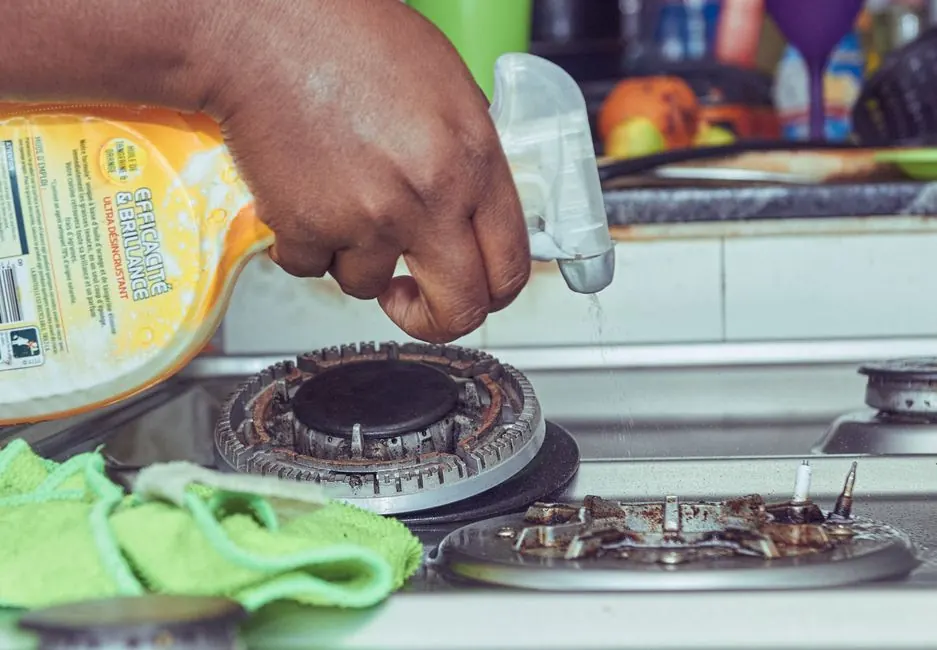 Kitchen Mold RemovalSink, dishwasher, and refrigerator-line leaks can travel behind cabinets and into insulated exterior walls. We inspect the concealed path, remove damaged insulation when necessary, and assess nearby drywall and framing. Springville property owners can address hidden moisture before cabinet repairs conceal the evidence.Explore →
 Garage Mold RemovalGarage wall and ceiling insulation can be affected by roof leaks, vehicle moisture, or poor ventilation. We inspect the cavity and adjacent framing, then remove material that remains wet or contaminated. If the garage shares a wall with living space, containment helps keep debris from moving into the home.Explore →
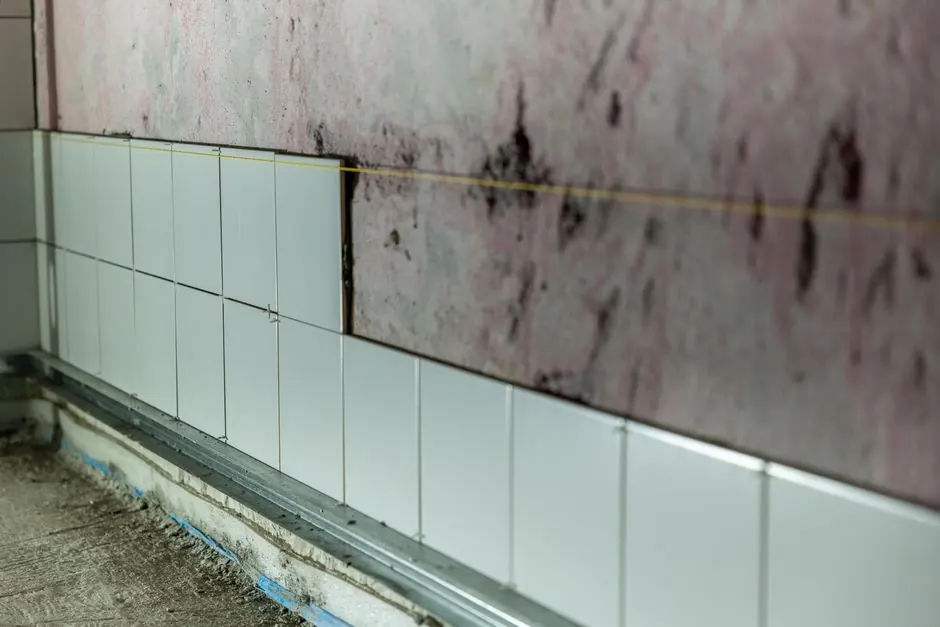 Hidden Wall Mold RemediationMusty odor or a recurring wall stain can signal mold behind drywall and inside wall cavities. We use targeted inspection, including a borescope when appropriate, to determine whether insulation is involved. Once opened, the cavity can be cleaned, dried, and repaired based on its actual condition.Explore →
 Ceiling Mold RemovalA ceiling stain beneath an attic or bathroom can point to insulation affected by a roof or plumbing leak. We inspect above the damaged ceiling when access allows, remove compromised insulation, and check roof sheathing or framing. That prevents a cosmetic patch from hiding a continuing moisture problem.Explore →Mold Odor RemovalA musty odor without visible mold can come from damp insulation hidden in a wall, attic, or crawl space. We investigate likely moisture pathways and inspect concealed materials rather than masking the smell. If insulation is affected, controlled removal and source correction address the cause of the odor.Explore →
An affordable comparison separates removal, exposed-surface cleanup, drying and new insulation. For same-day assessment or 24/7 help, call +18017531306 to confirm current availability and describe the access.
Request Inspection +18017531306 →Tell us the insulation location, access, leak history and whether the material type is known. Call +18017531306 to discuss an assessment in Springville ZIP 84663.