Drywall remains soft after the leak repair
Compromised board needs assessment and appropriate replacement. Review retained framing, insulation and source repair before installing new material.
Ready to repair the opening left after mold cleanup? We review the affected assembly and plan replacement materials, finishes and the steps needed before rebuilding.
Tell us what was removed, which repairs are complete and whether you have a remediation report. Call to discuss the repair scope.
Call Now +18017531306 → No spam. No obligation. Just practical help.
Reconstruction starts with the condition behind the finish. We review the remediation scope, accessible materials and remaining source repairs before planning new board or insulation. A clean-looking opening does not alone establish readiness, and paint cannot restore softened drywall or deteriorated wood.
For a ceiling repair near Main Street or a basement wall toward Hobble Creek, tell us how the room needs to function during the work. We serve Springville ZIP 84663, including Hobble Creek addresses within that ZIP. The plan separates cleanup, source correction, verification and rebuilding so the next contractor knows what remains.
The agreed reconstruction scope identifies replacement materials, repair boundaries and finish stages. Confirm insulation, drywall, trim, flooring, texture, primer and paint individually. Plumbing, roofing, electrical, HVAC and structural work require the appropriate contractor and are not assumed included.
We review available records and accessible substrate conditions before closure. Remaining dampness, debris, unresolved growth or an uncorrected water source must be addressed in the applicable scope before finishes conceal the area.
Replacement decisions follow material condition and the approved repair plan. Newly exposed deterioration is reviewed before work extends. Structural framing or support concerns require qualified assessment and a repair design where needed.
Specify board, joints, texture and finish expectations before installation. An exact match to aged paint, discontinued flooring or an existing texture cannot be promised. Agree on whether the quote covers a patch, a full wall or a wider finish area.
Protection, debris handling and construction-dust cleanup are planned with access. Final review covers the completed scope and any outstanding items. Construction cleanup is different from independent post-remediation verification.
Review the cleanup records, source repair and accessible materials. Identify outstanding verification or drying before setting an installation date. Where someone else performed remediation, share their scope and completion information.
Agree on room access, belongings protection and material routes. Tell us about the only bathroom, essential walkways or business hours. Occupancy and room use depend on the actual work plan.
Confirm which removal has already been completed and what remains authorized. Unanticipated cavity damage is reviewed before extending demolition or ordering replacement materials. Avoid covering an unresolved finding to keep a schedule.
Install the agreed materials after the assembly is ready. Compound coats, texture, primer and paint have separate drying or curing requirements. Material availability and specialist trades also affect the sequence.
Walk through the finish and agreed repair boundary with the responsible contact. Record outstanding items and care instructions. Independent verification of remediation, when specified, needs to occur at the agreed stage before rebuilding conceals the surfaces.
Assessment tools support repair readiness and dust controls support the work. Neither replaces the required material or specialist decisions.
Appropriate readings help review accessible materials before closure. They are interpreted for the substrate and project, not treated as one universal number for every wall or floor.
Temperature patterns guide further checks. A thermal image cannot certify a cavity as dry, structurally sound or free of mold.
Filtered air cleaning supports work-zone particle control when appropriate. Room access and protection remain part of the plan.
HEPA vacuuming supports removal of fine construction debris from suitable accessible surfaces. It does not substitute for unresolved remediation.
Drying equipment supports additional moisture reduction when needed before closure. Material condition and repair requirements guide readiness rather than a set equipment run time.
A basement wall remains open after affected board and insulation were removed.
Review source repair, retained material conditions and cleanup records. Specify insulation, board, trim and finish work separately before the wall is closed.
A roof leak left a ceiling opening with an existing texture around it.
Confirm the roof repair and cavity readiness, then agree on the replacement boundary and texture expectations. Patch work and repainting an entire ceiling are different scopes.
A vanity-side wall needs rebuilding after a plumbing leak and cleanup.
Coordinate plumbing, cabinet access and the finish stages. Discuss whether the bathroom can remain in use and who handles fixture removal, reinstalling trim and final painting.
A repair plan links the damaged assembly to the work needed before finishes return. We explain boundaries and trade responsibilities so the result is more than a cosmetic patch.
Ask a pro →Compromised board needs assessment and appropriate replacement. Review retained framing, insulation and source repair before installing new material.
Review the completed remediation and remaining moisture work before closure. New board cannot resolve ongoing seepage or an uncleaned concealed area.
Address the attic-side source and affected materials first. The ceiling repair then follows a defined board, insulation and finish plan rather than another coat of paint over damage.
Soft flooring requires assessment of the supporting layers. Structural or panel replacement must follow the appropriate repair plan; a surface finish does not restore strength.
Start after the applicable cleanup, moisture correction, drying and agreed verification requirements have been reviewed. The condition of the assembly determines readiness. A fixed drying period or clean-looking surface alone is not enough to approve closure.
The quote identifies each included stage. Confirm insulation, board, taping, texture, trim, primer and paint separately. Matching existing finishes has practical limits, so agree on the repair and repainting boundaries before work begins.
Repair extent, materials, access, finish expectations and specialist work affect cost. Source correction, remediation, independent verification and rebuilding are separate items to confirm. Newly exposed damage is reviewed and approved before additional work proceeds.
The schedule depends on repair readiness, material availability, trade coordination and drying or curing between finish stages. Essential-room access also affects the plan. We explain the sequence after assessment rather than promise a fixed number of days for every repair.
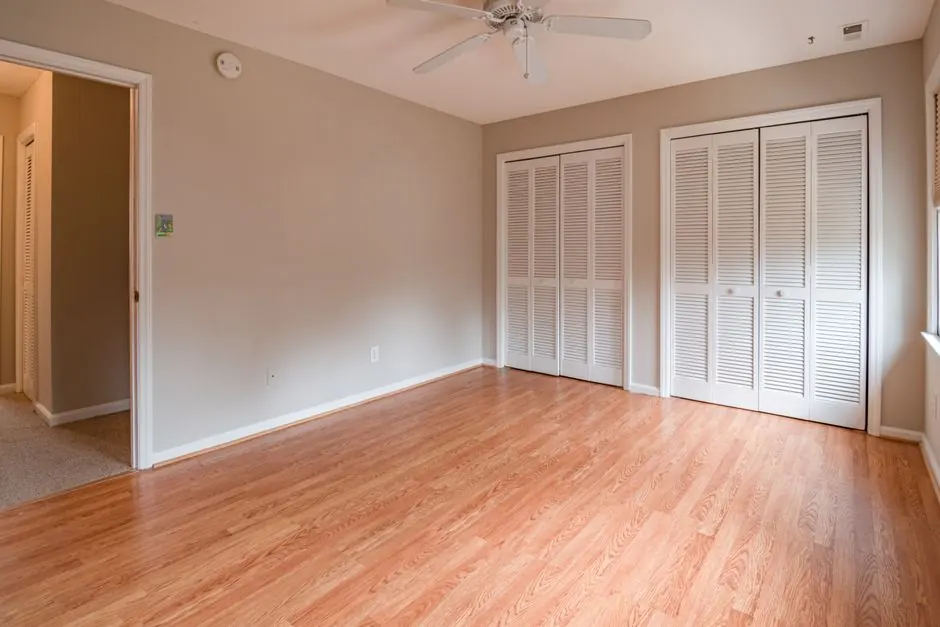 Residential Mold RemediationResidential Mold Remediation addresses the affected area before reconstruction begins. We remove unsalvageable materials, control work-zone dust, and coordinate drying so your Springville home is ready for repair rather than being rebuilt over unresolved contamination.Explore →
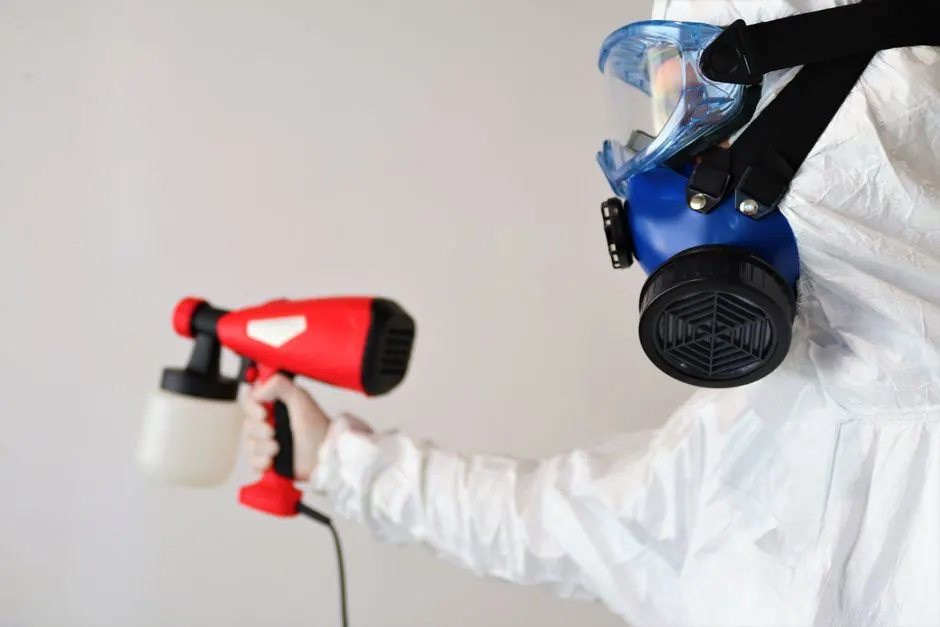 Black Mold RemovalBlack Mold Removal targets visible growth and affected materials before damaged surfaces are replaced. We assess the area, control the work zone, and connect the cleanup findings to reconstruction so your new drywall is installed only after the underlying issue is addressed.Explore →
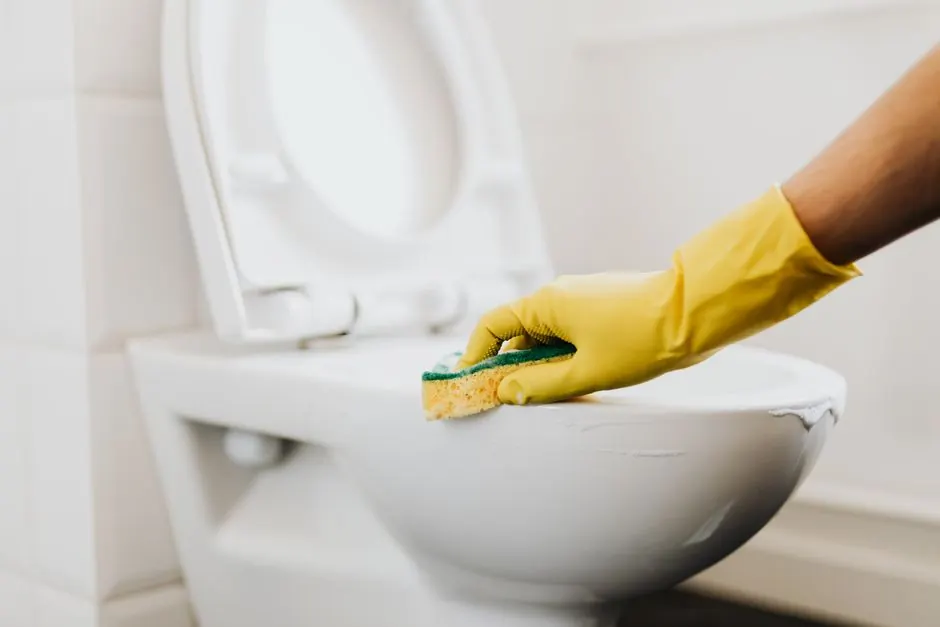 Bathroom Mold RemovalBathroom Mold Removal addresses growth caused by leaks, failed seals, or persistent condensation around showers and fixtures. After affected materials are treated or removed, we repair wallboard and trim, helping Springville homeowners restore a clean, usable bathroom.Explore →
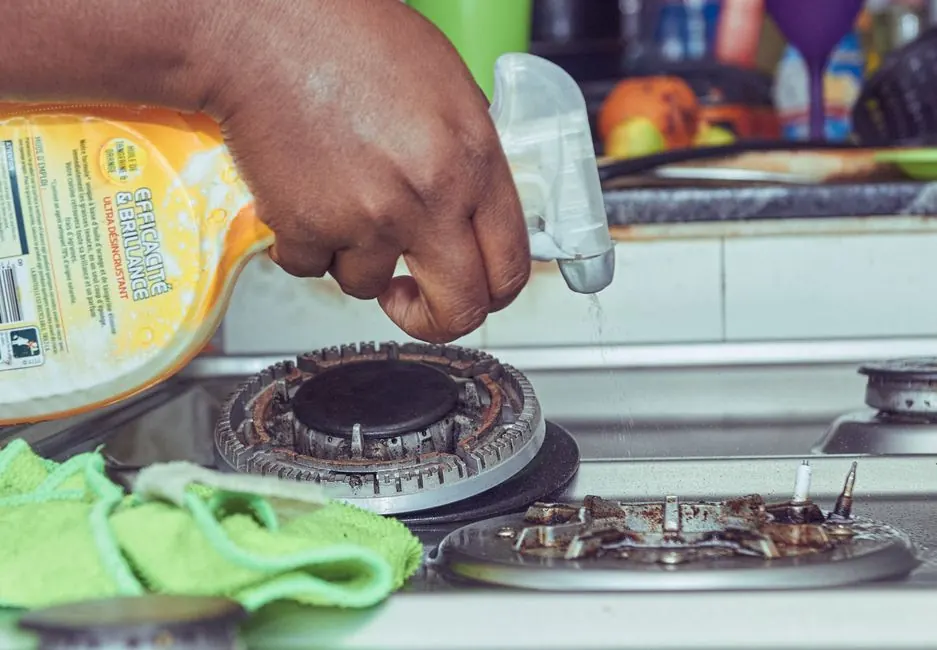 Kitchen Mold RemovalKitchen Mold Removal addresses moisture around sinks, dishwashers, and supply lines. Once the source is fixed and affected materials are handled, we rebuild damaged cabinet-adjacent walls, flooring, or trim so the kitchen can return to everyday use.Explore →
 Garage Mold RemovalGarage Mold Removal deals with growth on walls, stored materials, or framing after leaks and humidity. We connect cleanup to practical repairs, replacing damaged board or trim and checking the moisture source before finishing surfaces in your Springville garage.Explore →
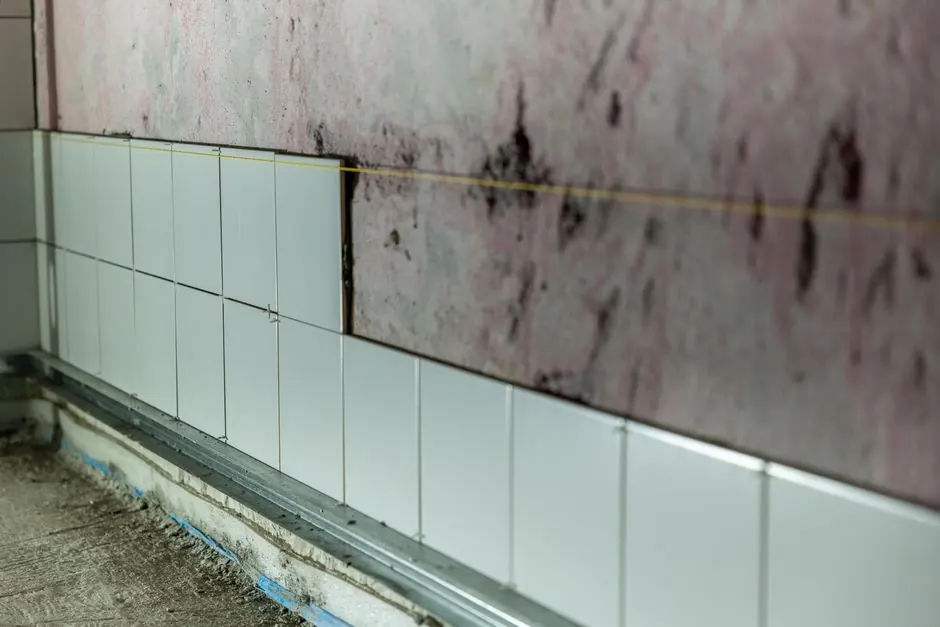 Hidden Wall Mold RemediationHidden Wall Mold Remediation investigates growth inside wall cavities after plumbing or roof leaks. We remove affected materials and inspect the exposed assembly; reconstruction then closes the opening with dry insulation and board, rather than concealing a damp cavity.Explore →
 Ceiling Mold RemovalCeiling Mold Removal tackles growth caused by roof leaks, plumbing failures, or attic condensation. After the source and affected materials are addressed, we replace damaged ceiling board, finish seams, and prepare the surface for paint.Explore →
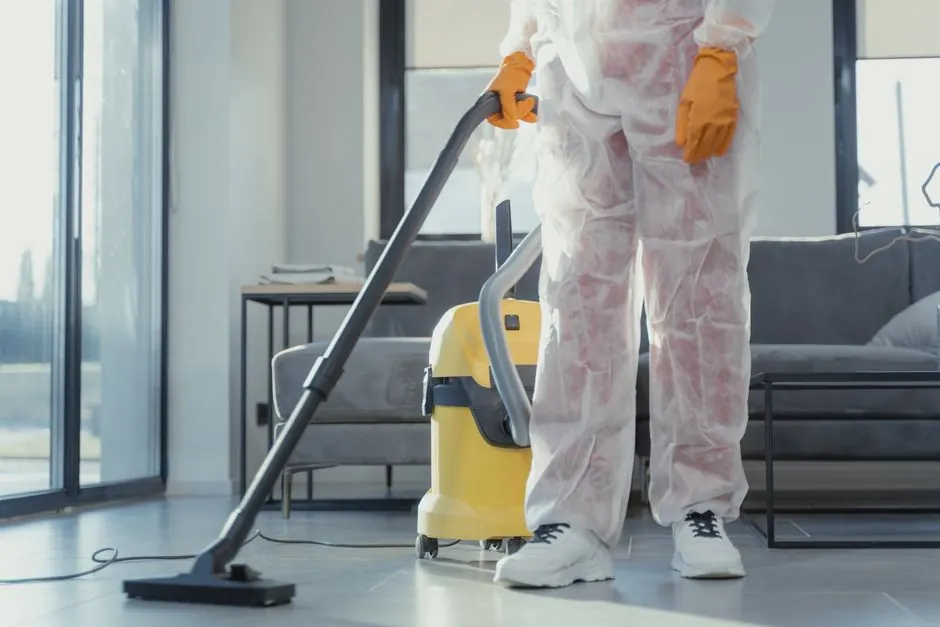 Mold Odor RemovalMold Odor Removal traces persistent musty smells to moisture and affected materials instead of masking the odor. Once the cause is addressed, repair work can replace contaminated porous surfaces and restore the room without trapping the source behind new finishes.Explore →
An affordable comparison separates preparation, replacement materials, finishing and specialist repairs. For same-day assessment or 24/7 help, call +18017531306 to confirm current availability. Bring any cleanup records so we can discuss the next stage.
Request Repair +18017531306 →Tell us what was removed, which source repairs are complete and what finish you want restored. Call +18017531306 to discuss reconstruction in Springville ZIP 84663.