Stored furniture smells musty after a basement leak
Assess the furniture’s finish, backing and internal materials rather than promising recovery from appearance alone. Coordinate cleaning and return with the basement moisture work.
Mold or musty residue on belongings after a leak? We assess affected items, clean suitable materials and explain which pieces need specialist care or disposal.
Tell us the item types, where they are stored and which belongings matter most to you. Call to discuss an assessment.
Call Now +18017531306 → No spam. No obligation. Just practical help.
A box of keepsakes, a finished table and an upholstered chair need different decisions. We look at material, construction, exposure and condition before choosing a cleaning approach. Tell us about sentimental or valuable pieces before sorting. Cleaning cannot guarantee that every item, stain or odor can be restored.
For basement storage near Main Street or garage belongings toward Hobble Creek, tell us whether the room itself still has a moisture problem. We serve Springville ZIP 84663, including Hobble Creek addresses within that ZIP. Keep suspect items separate and discuss handling before moving them through clean rooms or mixing them into new storage.
The scope identifies the item groups, assessment, suitable cleaning, drying and handling. Confirm inventory detail, packing, transport, storage and return arrangements separately. Delicate artwork, documents, electronics and specialist textiles require their own assessment; those restoration capabilities are not assumed.
We review condition and construction with your priorities. Accessible hard surfaces, internal padding, unfinished backing and hidden compartments have different limits. Odor alone does not prove mold on every nearby item.
We agree on affected and cleaned staging areas and identify items still awaiting decisions. Handling and packaging follow the item condition and plan. No disposal proceeds without the responsible owner’s authorization.
Suitable items receive cleaning compatible with their material, finish and care instructions. Test areas and limits are discussed where appropriate. A universal spray or fragrance treatment is not a substitute for a material-specific decision.
Items need suitable drying and review before repacking or return. Confirm that the receiving room is ready and that storage stays dry. Dryness to the touch alone does not establish internal condition or prove an item is restored.
Identify priority items and the history of water or mold exposure. Agree on the records needed, such as item lists, photographs and cleaning decisions. Keep receipts and any existing assessment; documentation does not guarantee insurance reimbursement.
Establish affected, cleaned and decision-pending groups. Discuss access, fragile items and ownership before handling. Do not shake fabrics or brush suspect residue into occupied rooms.
Assess material, finish, construction and practical access before selecting a method. Specialist restoration or disposal can be more appropriate than standard cleaning. Explain limits and obtain agreement before work on priority pieces.
Clean suitable belongings in the agreed work area and allow drying suited to the material. Avoid repacking damp items. Remaining staining, odor or concealed damage is reviewed rather than covered with a guarantee.
Review the item list and completed work with the owner. Confirm what is ready for return, what needs further assessment and what has disposal authorization. Return arrangements depend on the condition of the receiving space.
Tools support careful assessment and cleaning of suitable belongings. Item construction and care instructions determine the approach.
Appropriate readings help assess compatible materials and nearby wet surfaces. A meter does not establish that every layer of a complex item is dry or identify mold.
Temperature patterns can guide investigation of the surrounding room. They do not confirm contamination within stored belongings or replace inspection.
HEPA vacuuming supports cleaning of suitable surfaces with controlled handling. It is not a universal method for delicate textiles, artwork or electronics.
Filtered air cleaning supports the appropriate work zone during handling. It does not replace cleaning the item or justify returning it to a damp room.
Humidity control supports the drying environment when needed. It does not repair an active leak or establish that every stored item has dried internally.
A sofa, wooden chairs and storage bins were beside a basement leak.
Assess upholstery, furniture surfaces and containers separately. Record priority pieces and review cleanability before movement. Do not assume a clean exterior establishes the condition of padding or backing.
Roof moisture has reached boxes, decorations and a small table in attic storage.
Separate durable hard goods from paper and delicate keepsakes. Valuable documents or artwork need specialist advice before ordinary cleaning or disposal decisions.
Fabric storage and a chair smell musty in a garage, with tools stored nearby.
Review each material and the room conditions. Not everything nearby requires the same treatment, and removing odor alone does not resolve the source or establish item condition.
We help organize decisions about affected belongings while keeping them separate from building remediation. The useful result is a clear account of what can be cleaned, what needs specialist review and what remains unresolved.
Ask a pro →Assess the furniture’s finish, backing and internal materials rather than promising recovery from appearance alone. Coordinate cleaning and return with the basement moisture work.
Identify important papers and keepsakes before sorting. Cleaning hard containers is different from restoring their contents. Agree on specialist referrals and disposal authorization where needed.
Review the affected room and belongings together but define separate work. Contents cleaning does not repair wet walls, remove hidden building contamination or fix the leak.
Use clearly identified staging groups and an agreed item record. Confirm packing, transport and storage responsibilities so cleaned items are not mixed back into the untreated group.
Cleanability depends on material, finish, construction, exposure and condition. Suitable hard surfaces are often more straightforward than internal padding, paper or delicate finishes. We assess the item and explain limits before work rather than promising every belonging can be saved.
Disposal decisions require the responsible owner’s authorization. Identify sentimental, valuable or important items at the assessment and agree on the records and decision process. Documented recommendations help you decide but do not guarantee an insurer will reimburse replacement.
These items require specialist assessment and methods. Do not assume standard contents cleaning includes document conservation, electronic repair or art restoration. We identify those separate needs and confirm the handling scope before work.
Quantity, material types, condition, sorting, handling and drying affect the quote and schedule. Packing, transport, storage, specialist restoration and repeat review are separate items to confirm. Return timing also depends on the receiving room being ready.
 Residential Mold RemediationResidential Mold Remediation addresses mold on building materials and the moisture source affecting your belongings. We coordinate contents staging with containment and removal so clean furniture, clothing, and household goods stay out of the active work area during remediation.Explore →
 Black Mold RemovalBlack Mold Removal focuses on visible dark growth and the affected material beneath it. If mold has reached stored boxes or furnishings, we separate contents from the work zone and assess salvageable items alongside the building cleanup.Explore →
 Bathroom Mold RemovalBathroom Mold Removal addresses growth caused by leaks, failed seals, or persistent humidity. We can assess nearby towels, cabinets, and stored personal items while the source and affected surfaces are handled, helping prevent cleaned belongings from returning to a damp bathroom.Explore →
 Kitchen Mold RemovalKitchen Mold Removal targets moisture around plumbing, sinks, and cabinets. Contents cleaning may include assessing cookware, pantry storage containers, or small appliances after a leak, while the team addresses wet cabinetry and nearby building materials.Explore →
 Garage Mold RemovalGarage Mold Removal helps when dampness affects stored tools, seasonal decorations, or furniture. We sort the contents by material and exposure, then coordinate cleaning with the work needed to address wet walls, stored moisture, or a roof leak.Explore →
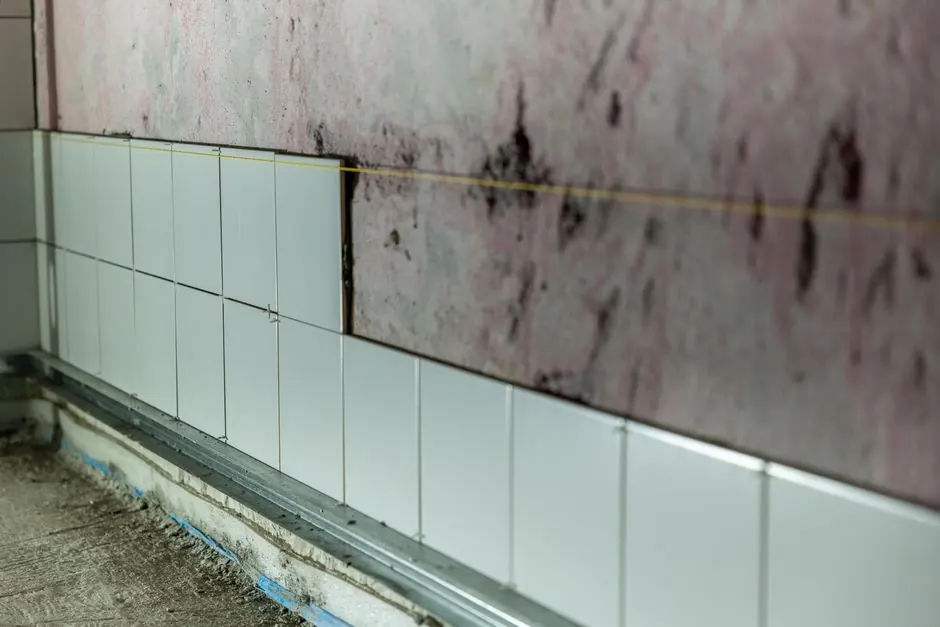 Hidden Wall Mold RemediationHidden Wall Mold Remediation addresses growth inside a wall cavity after a plumbing or roof leak. If a musty smell reaches nearby belongings, we investigate the cavity and keep contents cleaning separate from demolition and structural drying.Explore →
 Ceiling Mold RemovalCeiling Mold Removal addresses growth linked to attic condensation or roof leaks. We protect furniture and stored items below the affected ceiling, then assess any contents exposed to falling debris, dampness, or persistent odor.Explore →
 Mold Odor RemovalMold Odor Removal looks for the source of musty smells instead of masking them. We assess affected contents and nearby building materials, then coordinate cleaning and moisture correction so the odor does not simply return after items are moved.Explore →
For an affordable comparison, separate assessment, cleaning, packing, storage and specialist restoration costs. Need same-day help or a 24/7 response? Call +18017531306 to confirm current availability and describe your priority items.
Request Service +18017531306 →Tell us the affected materials, quantity, storage location and moisture history. Call +18017531306 to discuss contents assessment and cleaning within Springville ZIP 84663.