Post-cleanup review, documentation and clear next steps

Post-Remediation Verification in Springville, UT

Mold cleanup finished? We review accessible conditions and project requirements so you understand what is documented before rebuilding. If independent clearance is required, use a separate verifier.

↗
Start with the completed work

Discuss a verification visit

Tell us who completed the remediation and what report or clearance you need. Call to discuss scope, access and timing.

Call Now +18017531306 → No spam. No obligation. Just practical help.
Springville Mold Care — Mold Removal you can rely on
Careful work. Honest options.
About this service

Agree on the question the verification needs to answer

Before booking, identify who will use the report and the criteria they expect. A repair contractor needs different information from a buyer, property manager or insurer. Our review addresses the agreed accessible area and records what remains unresolved. Because we also perform remediation, our own completion review is not independent third-party clearance.

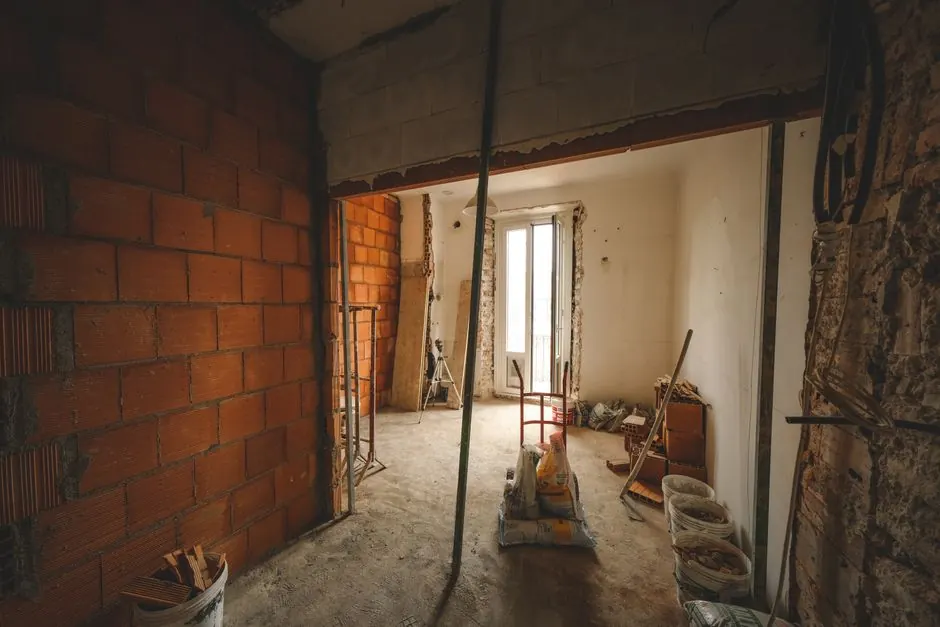
For an open wall near Main Street or an attic cleanup toward Hobble Creek, arrange review before new finishes hide the treated surfaces. We serve Springville ZIP 84663, including Hobble Creek addresses within that ZIP. Share the original scope, photographs, repair records and any existing protocol so the review relates to the work actually completed.

  • ✓ Documented Site Conditions
  • ✓ Catch Hidden Moisture
  • ✓ Sampling With a Purpose
  • ✓ A Practical Repair Decision
What's included

What Verification Covers After Cleanup

Agree on the reviewer, inspected area, criteria, report and any sampling before the visit. Independent assessment, laboratory work and further investigation are distinct items to confirm. A limited review cannot establish the condition of every concealed area or guarantee a building is safe for every occupant.

✓

Scope and Site Review

We review the available remediation plan and completion records. The review identifies which areas and materials are within scope and who completed the work. Disclose the reviewer’s relationship to the cleanup contractor when independence matters.

✓

Visual Condition Check

Accessible treated surfaces are checked for relevant remaining growth, residue, debris and moisture evidence. Obstructions and already closed assemblies limit what can be assessed. We record those limits rather than infer concealed conditions.

✓

Moisture Readings

Selected readings are recorded by material and location with appropriate context. They inform the review of remaining dampness; one dry reading does not establish source repair throughout the building or prove the absence of mold.

✓

Sampling When Appropriate

Sampling is a separate decision tied to a project question or protocol. Agree on locations, methods, analysis and interpretation. A favorable sample cannot override incomplete cleanup or replace the physical inspection.

✓

Findings and Next Steps

Confirm what the report will contain and who receives it. Useful records identify observations, limitations, readings, samples if collected and unresolved items. Where criteria are not met, corrections and any repeat review need a defined next step.

How it works

What to Expect During Verification

01

Review the Work

Share the original scope, completion information and requirements from the intended report recipient. Agree on access and the review stage. If independent clearance is requested, arrange a separate qualified verifier and confirm the recipient’s requirements before booking.

02

Inspect the Area

Review accessible treated areas while the relevant surfaces are still available. Record coverings, coatings or closed cavities that limit inspection. Further opening or investigation requires its own scope and authorization.

03

Measure Moisture

Record relevant readings with material and location context. Ask who confirmed the water-source repair and what supports that conclusion. An apparently dry area during one visit does not prove an intermittent leak is permanently resolved.

04

Collect Samples If Needed

When agreed, document the sampling purpose, location, collection conditions and handling records. Laboratory findings are interpreted with the site observations. Confirm laboratory and reporting time separately rather than scheduling rebuild around an assumed turnaround.

05

Explain Findings

Explain whether the agreed criteria were met and identify specific outstanding items. If further work is needed, establish responsibility and whether a return review is required. A report applies to its stated area and visit conditions, not every future condition.

Tools & methods

Tools and Inspection Methods

Tools contribute evidence within their limits. Equipment use or a test result alone is not clearance.

Moisture meter

Readings help evaluate selected accessible building materials. Material type, measurement method and location matter; a moisture meter does not identify mold.

Thermal imaging camera

Temperature patterns indicate where closer inspection is useful. They do not prove source repair or certify a cavity as dry.

Borescope inspection camera

An existing opening provides a limited view. Document what can actually be seen rather than treating a small camera view as inspection of the whole assembly.

Air sampling pump

An agreed air-sampling method records conditions at the collection time. Sampling supports the defined assessment and does not replace visual inspection.

Particle counter

A particle counter measures particles rather than identifying them as mold. Its reading is not a mold species result or a standalone pass/fail criterion.

HEPA air scrubber

Air-cleaning equipment is part of remediation controls where appropriate. Its operating status is recorded when relevant to the protocol; running filtration does not itself demonstrate that cleanup criteria have been met.

Verification situations

Review conditions before they are covered

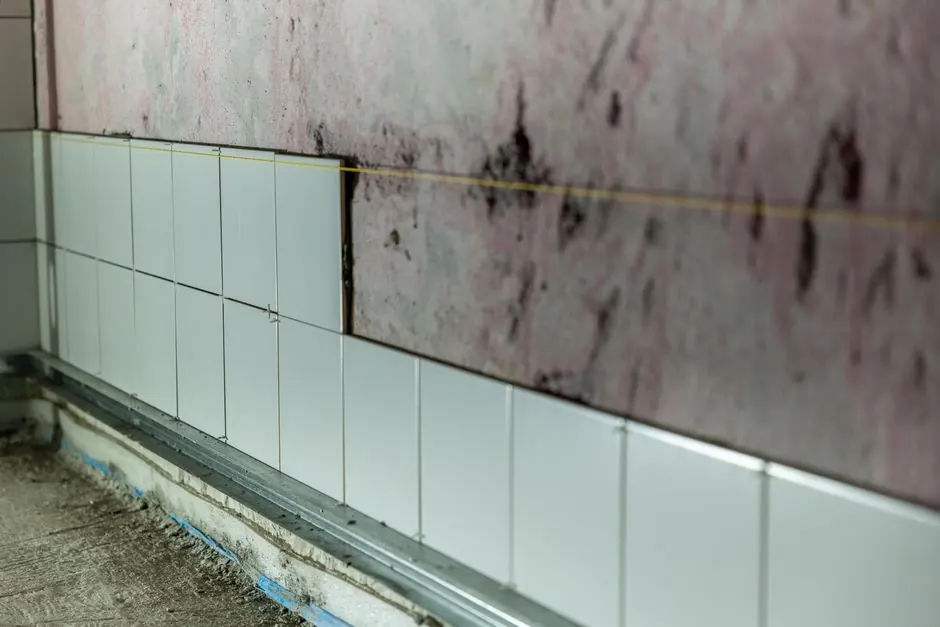
Basement Wall Before Rebuilding

Project question

A repair crew is ready to close a basement wall after affected materials were removed.

What to document

Review the accessible retained surfaces, source-repair records and relevant readings against the agreed scope. Record unresolved items before new insulation and drywall conceal them.

Attic Cleanup After Roof Leak

Project question

An attic cleanup is complete and replacement insulation is scheduled.

What to document

Agree on review access before installation. Record accessible decking and framing conditions, plus low-eave areas that cannot be seen. A limited visit does not establish every concealed surface.

Rental Bathroom Turnover

Project question

A rental manager needs a record after bathroom remediation before a vanity is replaced.

What to document

Confirm the report recipient, independence requirements and project criteria. Record the checked area, access limits and follow-up needs; do not treat a cleanup record as a legal habitability determination.

Problems we solve

Problems Verification Helps Resolve

Verification is most useful when its scope and acceptance criteria are clear. We connect the completed work to the available evidence and explain what needs correction or further investigation.

Ask a pro →
01

The room looks clean, but the wall cavity may still be damp

Review accessible materials and relevant readings before closure. If the cavity is already sealed, state the access limit and agree on further investigation rather than assuming conditions behind the finish.

↗
02

Musty odor remains after the visible mold was removed

Odor warrants review but does not alone prove active mold. Check the completed scope and accessible surrounding conditions, then define further investigation if the question remains unresolved.

↗
03

A contractor wants to rebuild before cleanup conditions are documented

Arrange the agreed review stage before reconstruction hides treated surfaces. Confirm who needs to accept the findings and whether a separate independent verifier is required.

↗
04

A rental turnover needs clear records after remediation

Identify the unit areas checked, supplied records and remaining limitations. A project-specific report does not establish the condition of all units or settle occupancy and legal questions.

↗
Proof you can check

Choose the best verification plan for your project

✓
Reviewer relationship disclosedA remediator’s own review is not independent clearance.
✓
Criteria agreed before the visitConfirm the intended recipient and required scope.
✓
Inspection and sampling kept in contextA test result cannot replace physical assessment.
✓
Specific reporting and follow-upKnow what is included and what needs another visit.
Good questions

Questions About Clearance and Verification

+18017531306

It is a review of completed mold cleanup against defined project criteria. The scope identifies accessible areas, observations, relevant moisture conditions and any agreed sampling. The report records findings and limitations; it is not a guarantee about every concealed surface or future condition.

No. A contractor’s review of its own cleanup is not independent third-party clearance. If your protocol or report recipient requires independence, use a separate qualified verifier. Confirm the reviewer’s role and relationship to the remediation contractor before booking.

No. Sampling is selected for a defined purpose or project requirement and does not replace physical inspection. EPA has not established federal mold or spore limits for building compliance. Results need site context rather than being treated as a universal safe-or-unsafe number.

The findings identify the unresolved area or condition and the next review needed. Agree on who performs corrections, what must remain accessible and whether another visit or sampling is required. Inspection, laboratory work and repeat review affect cost and schedule separately.

Ready when you are

Discuss verification before the repair crew closes the area

For an affordable comparison, ask whether inspection, reporting, samples, laboratory analysis and return visits are included. Need same-day assessment or 24/7 help? Call +18017531306 to confirm current availability and any independent-review requirements.

Schedule Verification +18017531306 →
Request an appointment

Contact Springville Mold Care

Tell us who completed the cleanup, whether the treated area is still open and who needs the report. Call +18017531306 to discuss verification requirements in Springville ZIP 84663.

Tap to call+18017531306