How to Prevent Mold After Water Damage at Home
Learn how to prevent mold after water damage with a clear drying plan, moisture checks, and practical advice for Springville homes after leaks or flooding.
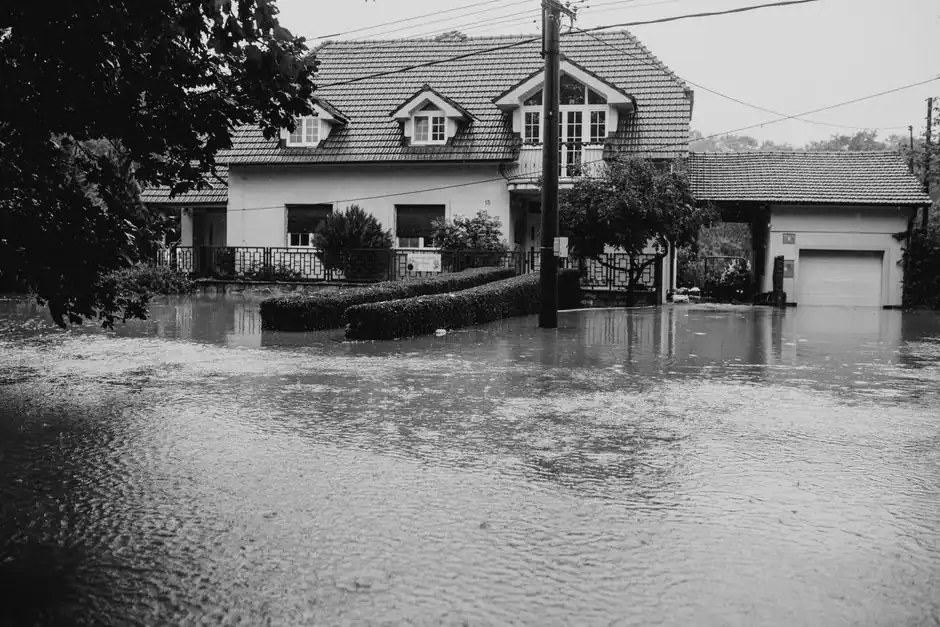
To prevent mold after water damage, stop the water source, remove standing water, and dry wet materials and hidden cavities within 24-48 hours. Keep indoor humidity below 60%, check moisture with a meter, and remove porous materials that cannot be dried completely. In Springville, Utah, a wet basement, burst supply line, or roof leak needs the same quick response even during the dry season.
How to prevent mold after water damage is a moisture-control process that removes water, dries affected materials, and verifies that dampness has not remained out of sight. The steps below cover the first day, equipment and drying targets, local considerations, common cleanup errors, and signs that call for professional help.
At Springville Mold Care, we help homeowners trace damp areas and address mold risk in walls, floors, and basements. Our guidance starts with one rule: drying the visible surface is not enough if water has soaked the material underneath.
Why mold prevention after water damage depends on fast drying
Mold prevention after water damage in Springville depends on removing moisture from both exposed surfaces and concealed building materials before prolonged dampness supports growth. Mold spores are common indoors and outdoors; water gives them the conditions they need to grow on paper, wood, dust, and other materials.
The familiar 24-48 hour window is a practical target for beginning thorough drying, not a guarantee that mold will or will not appear at a precise hour. Material type, temperature, airflow, and how much water entered the assembly all affect the timeline. Wet carpet over a pad, for example, traps moisture that a fan cannot reach from above.
That is why "it looks dry" is not a reliable finish line. A dry-looking baseboard can sit beside damp drywall, and a finished floor can conceal wet underlayment. We use moisture readings and inspection of affected areas to decide whether materials can be dried in place or need removal.
For homes across the area, our Mold Removal Springville UT service addresses visible growth and the moisture conditions that keep it returning. If water has affected several rooms or the source was not clean, get the affected area assessed rather than relying on surface cleaning alone.
What should you do in the first 24 hours?
In Springville, Utah, the first 24 hours after a leak or flood should focus on safety, stopping the source, removing water, and starting controlled drying. Avoid entering a room with standing water near electrical outlets, and do not touch wet electrical equipment; shut off power only from a dry, safe location.
Once the area is safe, work in this order:
- Stop the water. Close the fixture shutoff or main supply for a pipe leak; arrange roof or appliance repairs so water does not keep entering.
- Photograph damage before moving items. Record wet walls, flooring, belongings, and the water source for your own records and any insurance claim.
- Remove standing water. Use a wet-rated vacuum or pump appropriate to the volume. Never use a household vacuum for water.
- Move wet contents. Take washable items to a dry area, and separate items that cannot be cleaned or dried promptly.
- Start air movement and dehumidification. Position equipment to circulate air across wet surfaces without blowing debris through the home.
Water from a supply line is different from sewage, outdoor floodwater, or water that has contacted chemicals. Do not handle contaminated water or materials without appropriate protection. If the source is questionable, keep people and pets away while the area is assessed.
A pipe burst inside a kitchen often leaves water under cabinets and behind toe kicks, not just on the floor. Our residential mold remediation work focuses on affected home materials and the concealed moisture that can remain after an emergency cleanup.
How to dry out a house after water damage
To dry out a house after water damage in Springville, remove wet materials that cannot be salvaged, run dehumidifiers and air movers, and track moisture until the structure returns near its unaffected baseline. Drying often takes 2-5 days for a limited event, while soaked assemblies or widespread flooding take longer.
Open windows only when outdoor conditions are drier than the indoor air; otherwise, ventilation can bring in more moisture. Utah's generally dry climate helps, but a closed basement or a wet wall cavity can hold moisture regardless of the weather outside.
Set equipment to the conditions
Use a dehumidifier sized for the affected space and follow its manufacturer's drainage and operating instructions. A portable unit is useful for a small room, but one household unit may not keep pace with several wet rooms or saturated materials. Keep interior doors open where practical, and direct air movers across-not straight into-wet surfaces.
Aim to keep indoor relative humidity under 60%; a 30-50% range is a useful target while drying, provided the building and equipment allow it. Check humidity at least twice daily. Empty or drain the dehumidifier as directed, because a full reservoir stops moisture removal in many units.
Record moisture readings in wet areas and compare them with similar, unaffected materials. Pin-type meters can measure moisture in wood; pinless meters can help scan broad surfaces. Do not treat one reading as a universal pass/fail number: wood species, material depth, and meter settings affect the result.
Remove waterlogged carpet pad, swollen particleboard, and insulation that remains saturated. Some materials can be cleaned and dried; others lose integrity or retain moisture. A basement flood often affects lower wall sections, sill plates, and stored cardboard. For homes with persistent dampness below grade, our Basement Mold Removal in Springville, Utah page describes the local basement conditions we address. (Link path unavailable in allowed target list.)
Do not seal wet materials behind new drywall or paint. Keep the area accessible until readings show drying is complete and the water source is repaired. If a cavity remains damp after 48 hours of active drying, investigate behind the finish rather than adding more heat to the room.
How to prevent mold after water damage in Springville, Utah
How to prevent mold after water damage at home in Springville, UT starts with matching the drying plan to the water source, building assembly, and season. Springville's foothill setting and seasonal snowmelt can bring basement seepage, while winter freezes can stress exposed plumbing and exterior lines.
After a pipe burst, check the floor below the break and the route water followed along joists or wall framing. In a basement, inspect the corners, the bottom edge of drywall, and carpet tack strips. In a roof leak, check attic insulation and roof sheathing as well as the ceiling stain.
Spring and early summer snowmelt can expose drainage problems around foundations. Keep downspouts directed away from the foundation and clear debris from window wells. If water returns after rain or snowmelt, drying the interior alone will not solve the source; address grading, drainage, or a foundation entry point.
Before the next cold season, know where your main water shutoff is and check hoses, appliance connections, and exposed plumbing. Replace cracked or bulging supply hoses. A small leak under a sink can go unnoticed for weeks, especially when stored items block the cabinet floor.
These water damage mold prevention tips also apply to rental homes and finished basements: document the source, report recurring leaks promptly, and keep air moving after cleanup. When a damp smell remains after visible water is gone, locate the wet material instead of covering the odor with fragrance.
Common mistakes that leave moisture behind
Common mold-prevention mistakes in Springville homes include stopping when the surface looks dry, using too little drying equipment, and closing up wet walls before checking the cavity. Each can leave moisture in a place you cannot see.
- Relying on a box fan alone: Air movement helps evaporation, but it does not remove water vapor from the room. Pair airflow with dehumidification.
- Leaving wet carpet pad in place: The carpet face can feel dry while the pad and subfloor remain damp.
- Using heat without moisture removal: Warm air can speed evaporation, but without dehumidification the vapor stays indoors and can condense elsewhere.
- Painting over a stain: Paint hides discoloration; it does not dry a ceiling cavity or repair a leak.
- Mixing cleaning chemicals: Never combine bleach with ammonia or other cleaners. Follow product labels and ventilate the area.
Bleach is not a substitute for removing mold from porous material. Scrubbing contaminated drywall or insulation can spread debris and still leave growth inside the material. Fix the moisture source first, then choose a cleanup method suited to the surface and extent of damage.
When to call a professional in Springville
Springville homeowners should call a mold or water-damage professional when water affects a large area, remains in a wall or ceiling cavity, or comes from sewage or outdoor flooding. Get help sooner if you see visible growth, smell a persistent musty odor, or cannot confirm that wet materials have dried.
Professional equipment can remove moisture faster from multiple rooms and hard-to-reach assemblies. A technician can map moisture, identify what needs removal, and verify drying with repeat readings. That matters after a major pipe burst, a flooded basement, or water that traveled beneath flooring.
We also recommend an inspection when a ceiling stain grows after rain, a basement wall stays damp, or a leak has recurred. Springville Mold Care can assess the affected materials and explain a practical next step for your home. For a localized patch that dried quickly, a professional visit may not be necessary; for hidden or widespread water, early assessment can limit the amount of material that must be removed.
Frequently Asked Questions
How do I prevent mold after water damage?
Remove standing water immediately and dry affected materials within 24-48 hours. Stop the leak, use air movers and a dehumidifier, keep humidity below 60%, and check hidden areas such as carpet pad, cabinets, and wall cavities. Remove porous materials that remain wet or cannot be dried completely.
How long does it take for mold to grow after water damage?
Mold can begin growing in 24-48 hours when suitable materials stay wet, though visible growth may take longer. Temperature, material type, and moisture level affect the timeline. Start drying at once rather than waiting for an odor or spot to appear.
Should I run a dehumidifier after water damage in Springville UT?
Yes-run a dehumidifier during active drying and keep indoor relative humidity below 60%, ideally around 30-50% when conditions permit. Pair it with air movement and check the tank or drain daily. A unit that is too small may not handle several wet rooms or saturated building materials.
Can mold grow after water damage is dried?
Yes, mold can still grow if moisture remains inside a wall, under flooring, or in insulation after exposed surfaces feel dry. Verify the underlying material with moisture readings and compare it with unaffected areas. If a musty smell or damp reading persists, investigate the concealed space before rebuilding.
How do I prevent mold after basement flooding?
Remove standing water, move wet belongings, and start dehumidification and airflow as soon as the basement is safe to enter. Inspect carpet pad, drywall bottoms, stored cardboard, and foundation corners. If floodwater was contaminated or the basement remains wet after 48 hours, contact a professional.
Get help with Mold Removal in Springville
Fast water removal and verified drying are the best ways to lower mold risk after a leak or flood. Call Springville Mold Care at +18017531306 if moisture is hidden, widespread, or still present after cleanup.